Resources
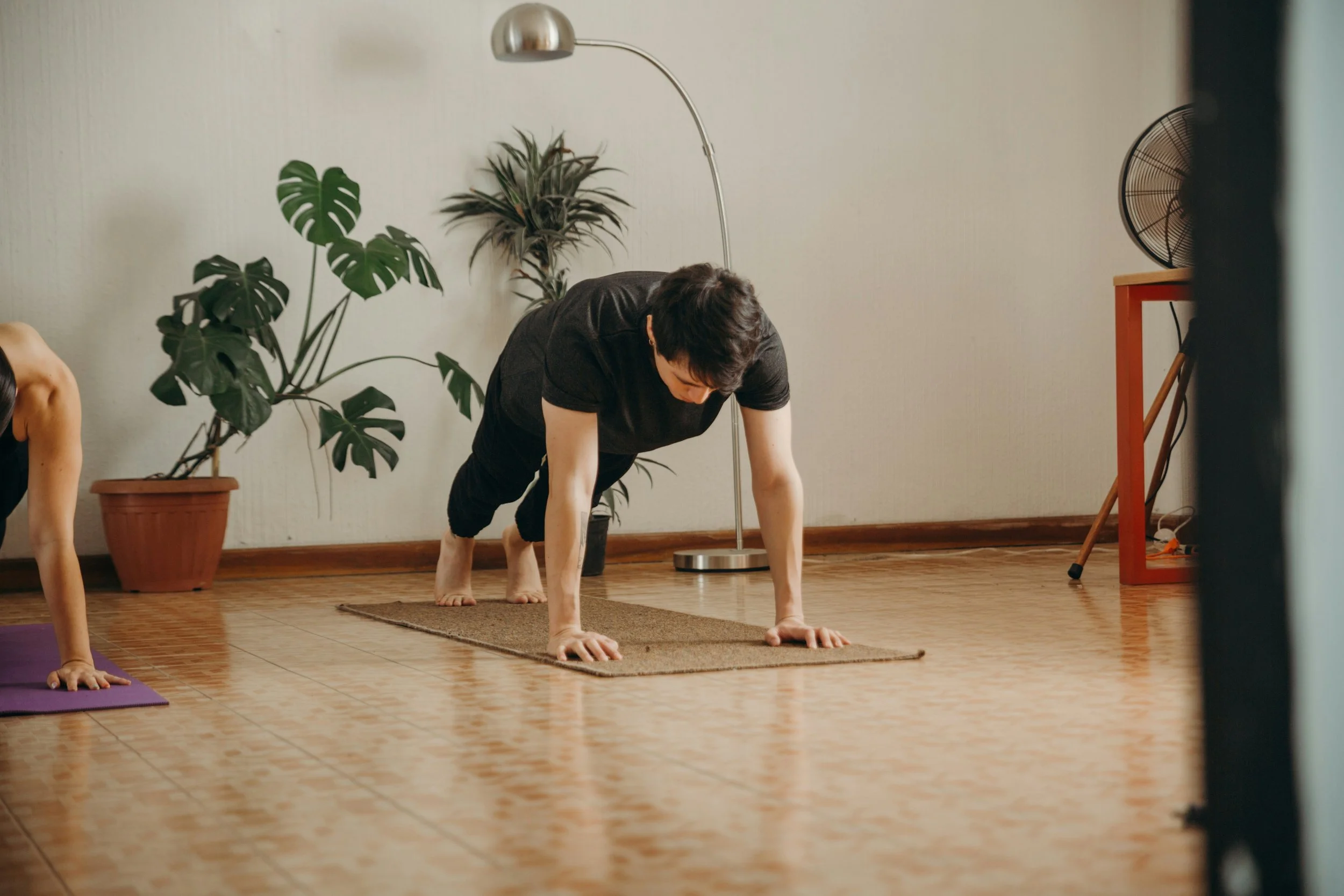
How to Prioritize Your Health When You Feel Like You Don’t Have Time
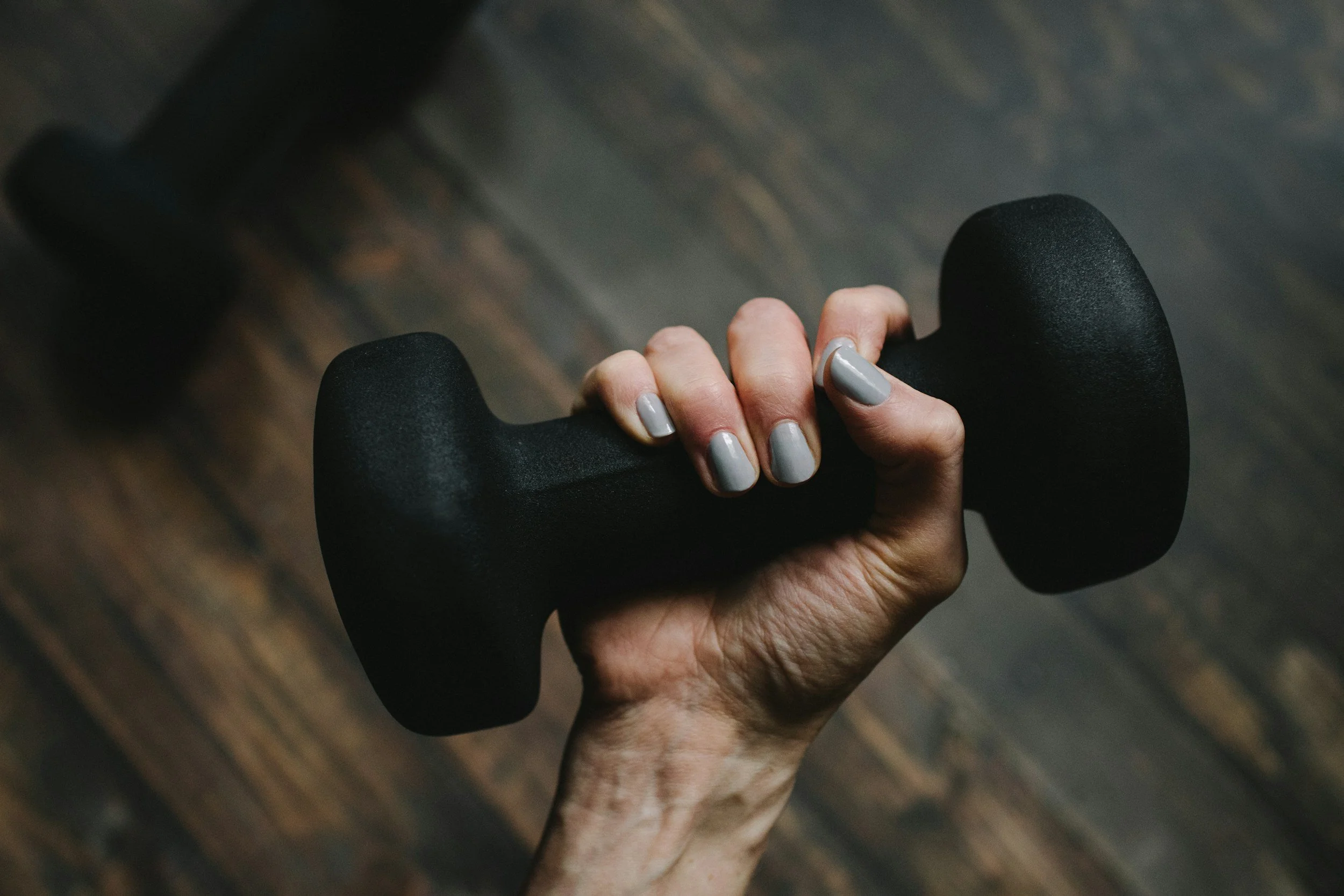
Now, I’m on the tougher side of the tough-love spectrum when it comes to real talk about health and life, but Ryan Fischer is WAY tougher than me.
Yet this really resonates with me because I cannot argue with it.
In a separate podcast interview, I saw someone talk about how they know whether someone is going to be successful with their training.
He said he knows someone will be successful with their training, whether it’s weightlifting, Muay Thai, or horseback riding, when he sees that person move their training time into the non-negotiable side of the ledger.
Think about all the things you already treat this way. You may not want to run across town to pick your kid up from school, but you do it anyway. You may not want to pay your taxes, but you do it anyway. You may REALLY not want to go to work on a particular Monday morning, but you do it anyway.
There are certain things in our lives that aren’t dependent on whether we feel motivated to do them that day.
That’s where training has to eventually sit in the schedule of someone who is going to be successful at improving their health.

Early Signs of Perimenopause: Why They Can Start in Your 30s
Today we're discussing perimenopause.
If I could pick one period of a woman's life that I wish got more attention, the time that I think many women are thinking least about their health, it would be the early to mid 30s.
Because for many women, this is when early signs of perimenopause can begin.
Yes, that young!
And precisely because it CAN be that early, the signs of perimenopause in your 30s can be incredibly easy to miss. Your early to mid 30s are also usually a time of tremendous personal and professional growth. Careers are taking off. Relationships are changing. Maybe you're having babies, raising babies, traveling, building a business or simply trying to keep your head above water.
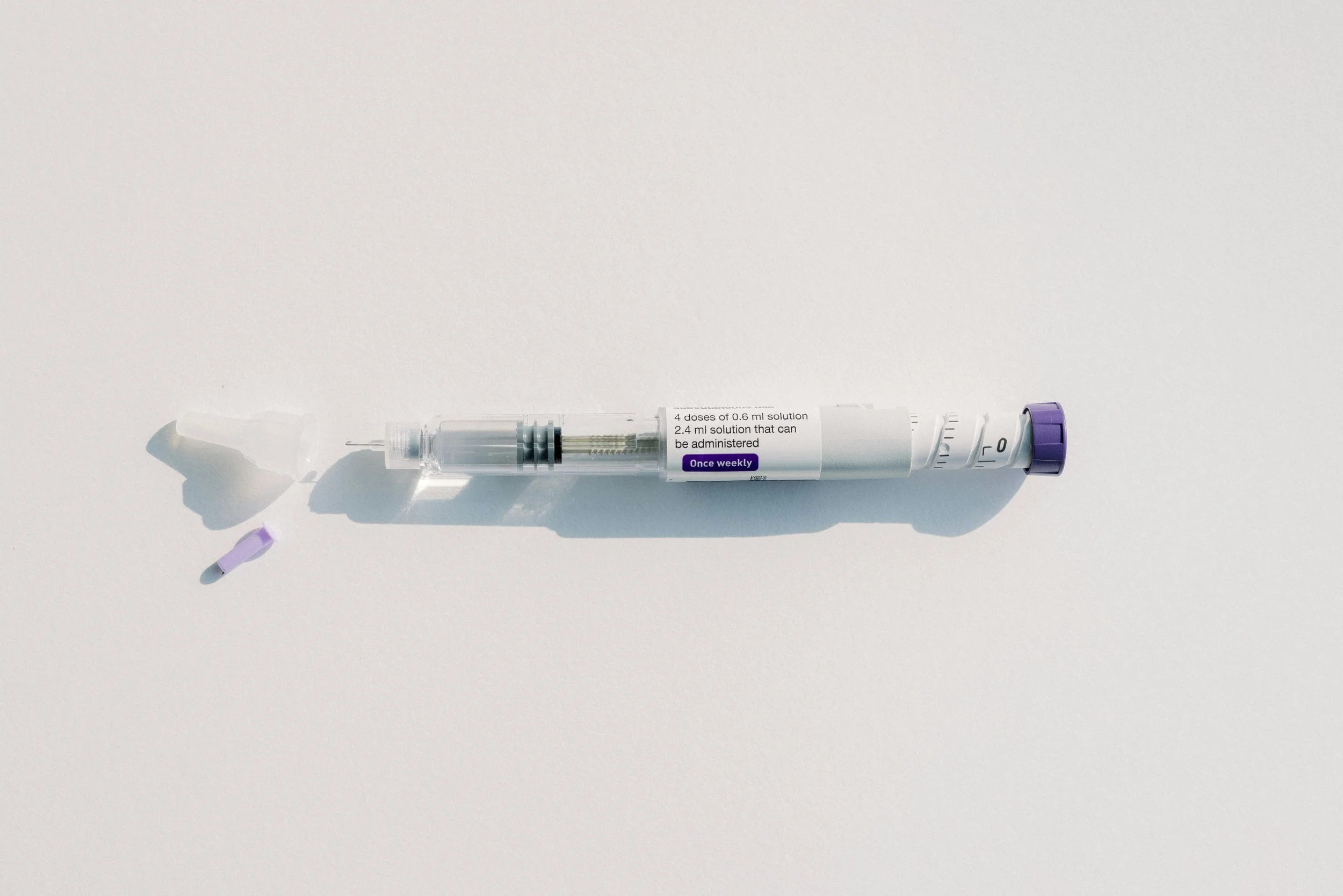
GLP-1s, Inflammation, and Metabolic Health: Everything You Need to Know (and All the Things Your Doctor Might Not Have Mentioned)
It's estimated that 11% of the US population is on a GLP-1 medication, to say these have swept across America like a tornado would be an understatement. And every day, I have patients experiencing PMOS, MCAS, weight gain, infertility or just plain old perimenopause, who come to me and want to talk about the feasibility of using a GLP-1 medication to feel better.
And it does seem like these medications are making a lot of people feel better, and they are helping people to lose weight and they are reducing inflammation. And even though these are relatively new medications, some of this is backed up by some fairly robust science! From PMOS to MCAS to infertility, these medications are showing a lot of promise across a lot of spectrums and I'll discuss that below.
But it's not all hearts and rainbows, and what I find isn't often being communicated properly is HOW to use the GLP-1 medication alongside a robust lifestyle plan, so that any weight you do lose, any inflammation that is lowered, stays that way, when you decide to come off the drug.
Early Signs of Perimenopause: What Most People Aren't Looking For
If I could pick one period of a woman's life that I wish got more attention, the time that I think many women are thinking least about their health, it would be the early to mid 30s.
Because for many women, this is when early signs of perimenopause can begin. Yes, that young!
And precisely because it CAN be that early, and the early to mid 30s are also usually a time of much personal and professional growth, it's easy to brush some subtle signs and symptoms under the rug.
Plus, our medical community is simply not looking for perimenopause. They aren't educated on it (except for a stellar few), they can't really bill for it, women's health is vastly underresearched, so it's still not well understood, and western medicine is mostly set up to treat disease, not to be proactive and think ahead to optimize health.
Thus, many women look back at their 30s and see the absolute shitstorm of hormonal issues they were having that went almost entirely unrecognized and untreated (except for maybe a birth control pill).

How to Reduce Microplastic Exposure: The Simple Changes That Can Lower Plastic Chemicals in Your Body
Trying to eliminate plastic from your life can feel impossible. Plastic is everywhere. It's in food packaging, personal care products, household items, and even things marketed as "healthy" or "natural."
But a recent study featured in the Washington Post may convince you that reducing plastic exposure is more worthwhile than you think.
Because what researchers found is actually pretty remarkable: participants saw measurable reductions in certain plastic-related chemicals in their bodies after just seven days.
Seven days.
Not months. Not years. One week.
Let's talk about what the study found and, more importantly, what practical steps you can take without completely turning your life upside down.
Perimenopause: The Health Conversation We Should Have Been Having All Along
The Washington Post published an article outlining 5 Things Your OB/GYN Wants You to Know about Perimenopause. As I read through it, I found myself nodding along with most of the points. For once, there was mainstream attention being paid to a phase of women's health that is often overlooked, misunderstood, or dismissed entirely.
And then I got to the end.
What started as a solid overview of perimenopause took a hard turn into some of the same outdated narratives that have been confusing women for decades. So today, I want to walk through the article's five key points, discuss where I think it got things right, and explain where I believe it missed the mark.

Bone Health Isn’t an “Old Person” Problem (And Waiting Until 65 Is a Mistake)
Sometimes in practice, I start to notice patterns.
I’ll have a stretch of a few weeks where multiple people come in, and somehow we keep circling back to the same topic over and over again.
Recently, it’s been bone health.
And I want to flag this, because most people still think of bone health as an “old person” problem.
It’s not.
Bone health is largely determined in your youth. What you do in your teens, 20s, and even into your 30s plays a massive role in what your bones look like later on.
And what you do in your 30s and 40s? That determines whether you maintain what you built or start losing it.

Thin Is Trending Again - But That Doesn’t Mean It’s Healthy
There has been a lot of media attention focused around being “skinny” again.
For a while, it seemed as if the heroin chic 90s were over, but it seems like they are making a resurgence. The skyrocketing popularity of GLP-1s like Ozempic is unfortunately not helping (no shade, just facts). And most recently, there has been a very big movie release with two very thin female stars, and I’ve had multiple moms discuss with me how triggering it has been to see that on the big screen.
Especially for women who have struggled with eating disorders, but also for those who now feel like they need to have conversations with their daughters about how being that skinny is not the goal.
And in my own practice, I see and hear this a lot - a real focus on thinness and a fear of gaining any type of size, even when it might actually benefit someone’s health.

Perimenopause Symptoms: Signs, Causes & Treatment Options for Women 35+
At some point in their late 30s or 40s, many women begin to notice subtle - but persistent - changes.
Sleep becomes lighter or more fragmented. Anxiety appears where it didn’t exist before. Energy dips. Weight becomes harder to manage despite consistent habits. There may be joint pain, brain fog, or a general sense of “not feeling like yourself.”
These are often dismissed or treated as separate issues.
But in many cases, they are early perimenopause symptoms.
Insulin Resistance Symptoms, PCOS & Blood Sugar: What You Need to Know
When we talk about hormones, most people think of estrogen, progesterone, or testosterone.
But there’s another hormone - arguably one of the most influential in the body - that often goes overlooked in everyday health conversations:
Insulin.
And yet, insulin plays a central role in metabolic health, hormone balance, and long-term disease risk.
An interview featuring Dr. Ben Bikman, whose work focuses on insulin and metabolic health, offers important context for understanding insulin’s broader role in the body.
One key takeaway is that insulin does not only regulate blood sugar - it also influences hormone balance.
Elevated insulin levels can interfere with the body’s ability to convert testosterone into estrogen by affecting aromatase activity, which may contribute to higher testosterone levels and downstream hormonal effects.
The discussion also reinforces a consistent theme in metabolic health: common dietary patterns can contribute to chronically elevated insulin.
Over time, this can occur quietly, often developing for years before changes appear on standard lab markers, while still influencing overall metabolic and endocrine function.