
Training, Fueling, and Aging Well as a Woman: What I Learned from Dr. Stacy Sims on Huberman Lab

I recently listened to an interview with Dr. Stacy Sims on the Huberman Lab podcast, and it reinforced something I talk about often in my practice: women’s health, training, and nutrition need to be approached differently if we care about how we age—not just how we look.
Dr. Sims is an exercise physiologist who specializes in women’s performance. She is also an athlete and a researcher, which gives her work both scientific credibility and real-world grounding. Her focus isn’t on aesthetics or short-term goals. She is interested in healthspan—how well we live, move, think, and function in the later decades of life.
That distinction matters more than most people realize.
Lifespan vs. Healthspan: What Are We Actually Training For?
Women live longer than men, on average. But we also experience a disproportionate decline in quality of life in the last 20% of our lifespan.
So the goal isn’t simply to live into our 90s. The goal is to arrive in our 70s, 80s, and beyond with:
Strength
Balance
Cognitive clarity
Physical independence
We are not aiming for decades spent frail, under-muscled, or dependent. We want lives filled with movement and agency—whether that’s traveling, gardening, playing with grandchildren, or simply carrying our own groceries without fear of falling.
Dr. Sims doesn’t care if you have visible abs. For most women, that’s neither realistic nor beneficial anyway. She cares whether you can catch yourself when you trip instead of crashing to the ground.
That’s real fitness.
The Work for Longevity Starts Long Before Old Age
This is the part many people don’t want to hear: the work to be healthy later in life starts now.
Not after the next busy season.
Not when life “calms down.”
Not once motivation magically appears.
Whether you are 35 or 55, today is the day to begin.
And optimizing health is not about a magic supplement or a trendy workout. It’s about a series of unremarkable, repetitive choices you make every day—choices that compound over time.
Before we get into the more nuanced recommendations, it’s important to ground ourselves in the fundamentals.
The Foundational Habits That Actually Matter
If you are not currently doing most of the following, start here. Everything else builds on this base.
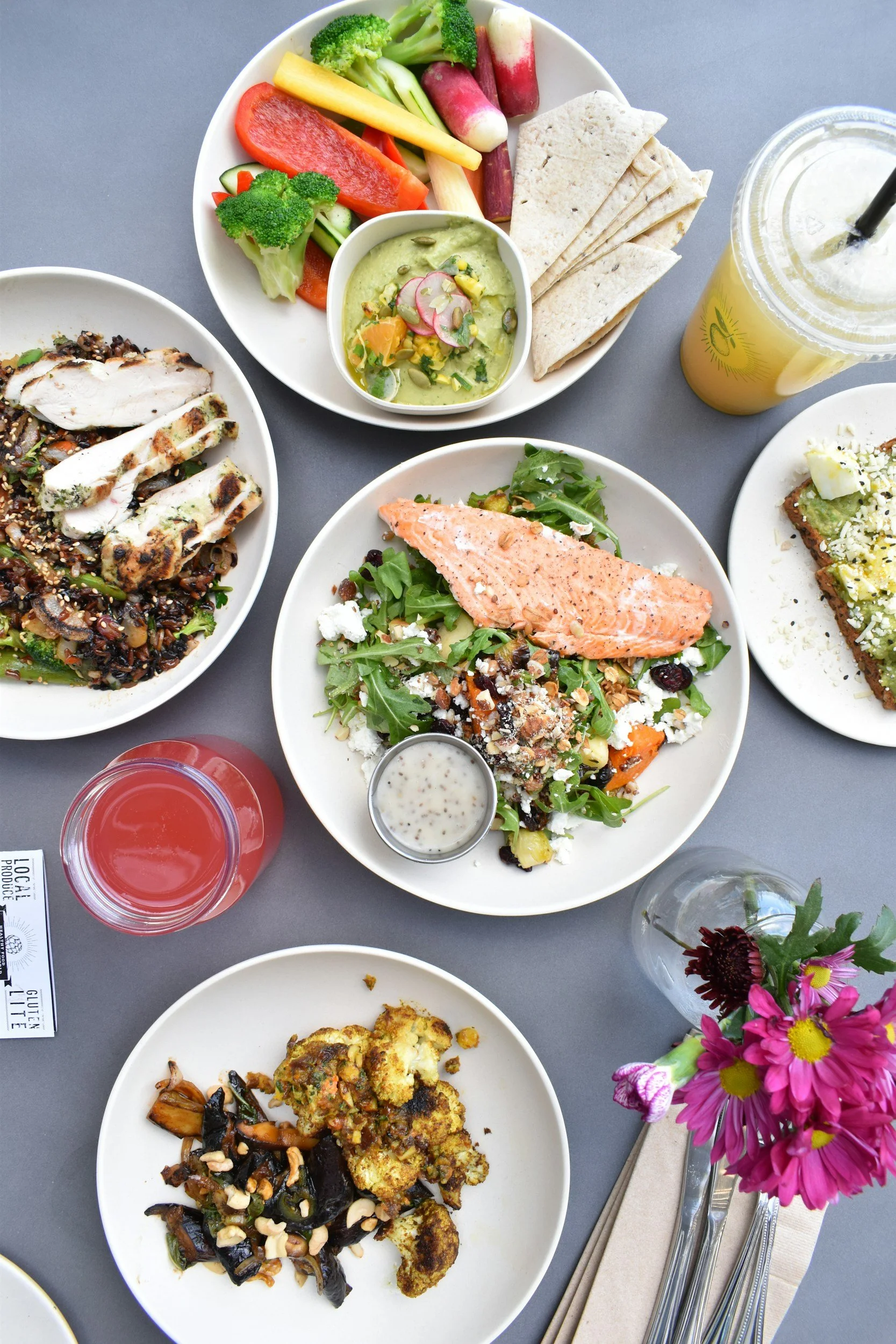
Eating at least 100 grams of protein per day
(ideally around 1 gram per pound of ideal body weight, with 30+ grams per meal, including breakfast)Walking 7,000–10,000 steps daily
Lifting heavy weights 2–3 times per week
(rate of perceived exertion around 7–8/10, rep range of 6–12, where the last two reps are very challenging but still done with good form)Sleeping close to 8 hours per night
(with grace for parents of young children)Practicing stress reduction in a way that works for you
(walking, meditation, prayer, yoga, sauna, breathwork, exercise)
If these pieces are not in place, the details that follow will feel overwhelming. That doesn’t mean you’re failing—it just means your focus should stay here for now.
Why Women Need Different Training and Nutrition Strategies
One of Dr. Sims’ core messages is simple but powerful: women are not small men.
Our hormonal environment, stress responses, recovery capacity, and nutritional needs differ—especially across life stages. Much of the fitness and nutrition advice women have followed for decades was never designed with female physiology in mind.
This shows up clearly in one popular trend.
Intermittent Fasting: Often a Miss for Women
Dr. Sims highlights data showing that women who regularly fast until noon tend to have worse obesity-related outcomes compared to women who eat earlier in the day.
The reason lies in stress physiology.
Cortisol naturally peaks in the morning. This is normal and necessary. But layering prolonged fasting, intense training, and under-fueling on top of that hormonal stress signal can push the body into a defensive mode.
For many women—especially active women—skipping breakfast is not the metabolic win it’s often marketed to be.
Fueling Morning Training for Better Results
If you train in the morning, you don’t need a large meal beforehand, but you do need fuel.
Dr. Sims recommends:
At least 15 grams of protein before lifting
Adding ~30 grams of carbohydrates if doing cardio
This can be as simple as protein powder mixed with water.
This isn’t just about getting through the workout. It’s about triggering the proper hormonal response afterward, which is when training adaptations actually occur.
Post-Workout Protein: Why Women Need More With Age
Protein needs increase as women age—not decrease.
Women in their fertile years should aim for ~35 grams of protein within an hour after training.
Perimenopausal, menopausal, and post-menopausal women often need 40–60 grams.
As estrogen declines, the body becomes less efficient at utilizing protein. Without increasing intake, muscle loss accelerates—even with training.
This is a major contributor to age-related muscle loss and reduced strength in women.
Heat Over Cold for Recovery
Cold exposure has become popular, but it may not be ideal for most women.
Dr. Sims notes that women respond differently to cold due to differences in vascular regulation. Instead, she strongly favors heat exposure, especially after exercise.
Her ideal recommendation:
30 minutes in a sauna immediately post-workout
While post-exercise sauna is optimal, heat exposure at any time still offers benefits for circulation, recovery, and cardiovascular health.
Supplements That Support Women’s Healthspan
If she had to narrow it down, Dr. Sims highlights:
Creatine
Vitamin D
Adaptogens
Creatine, in particular, is profoundly underutilized by women. It supports muscle strength, power, recovery, and cognitive health—without causing the “bulk” many women fear.
I offer a permanent 15% discount on practitioner-quality supplements through Fullscript and have curated a women’s health stack based on these principles:
https://us.fullscript.com/plans/scarletoakacupuncture-women-s-health-stack
Jump Training After 50: A Non-Negotiable
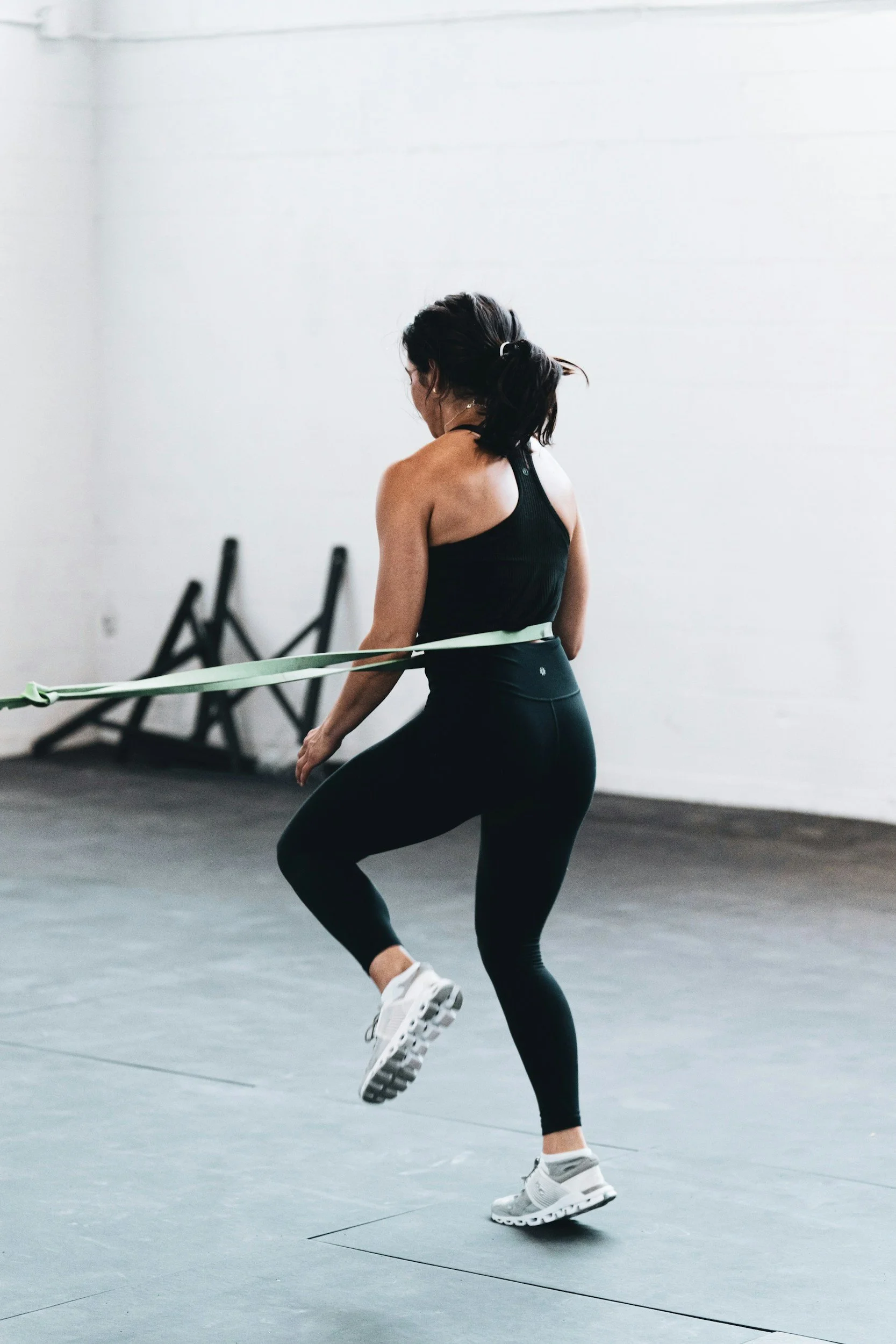
Women over 50 should incorporate explosive or jump training:
3 times per week
10 minutes per session
This type of training:
Stimulates bone density
Improves power and balance
Reduces fall risk
This doesn’t mean reckless plyometrics—it means intelligently scaled power work. Dr. Sims provides excellent guidance here.
Healthspan is not built in a year, and it’s not built with shortcuts. It’s built through consistent, foundational practices that respect how women’s bodies actually work.
If you want guidance assessing where you are right now and how to move forward, a 30-minute telehealth visit can be a great place to start. For more complex needs, a 60-minute lifestyle consultation allows us to go deeper.
The goal isn’t perfection.
It’s strength, resilience, and freedom—now and decades from now.
Frequently Asked Questions
What is the difference between lifespan and healthspan?
Lifespan refers to how long you live. Healthspan refers to how well you live during those years—your strength, mobility, cognitive function, and independence. The goal is not just to live longer, but to maintain quality of life and physical capability as you age.
Why do women need different training and nutrition strategies than men?
Women have different hormonal patterns, stress responses, and recovery needs than men. Much of traditional fitness and nutrition advice was developed based on male physiology. Applying those same strategies to women—especially across different life stages—can lead to suboptimal results or increased stress on the body.
Is intermittent fasting bad for women?
Intermittent fasting is not universally “bad,” but many women—especially active women—do not respond well to fasting until midday. Morning fasting can increase stress hormones and contribute to poor metabolic outcomes. Eating earlier in the day often better supports hormonal balance and energy levels.
Do I really need to eat breakfast if I’m not hungry?
You don’t need a large meal, but fueling your body in the morning—especially if you train early—helps support cortisol regulation and metabolic health. Even a small amount of protein can make a meaningful difference.
How much protein do women actually need?
Most women need more protein than they are currently eating. A common baseline is at least 100 grams per day, with 30+ grams per meal. Protein needs increase with age due to reduced efficiency in muscle protein synthesis.
Why do protein needs increase during perimenopause and menopause?
As estrogen levels decline, the body becomes less efficient at using protein to maintain muscle. Increasing protein intake helps counteract muscle loss, support strength, and maintain metabolic health.
Is lifting heavy weights safe for women as they age?
Yes. Strength training is one of the most effective tools for maintaining muscle, bone density, balance, and independence. When performed with proper progression and form, lifting heavy weights reduces injury risk rather than increasing it.
What does “lifting heavy” actually mean?
Lifting heavy means using a load that feels challenging—typically an effort level of 7–8 out of 10—where you can complete the reps with good form but feel close to failure by the final repetitions.
Why does Dr. Sims recommend heat over cold exposure for women?
Women respond differently to cold exposure due to differences in vascular regulation. Heat exposure, particularly after exercise, supports recovery, circulation, and adaptation more effectively for most women.
Is sauna use necessary if I already exercise?
Sauna use is not required, but it can enhance recovery and cardiovascular benefits when used regularly. Post-exercise sauna use may provide additional advantages, but any consistent heat exposure can be supportive.
What supplements are most helpful for women’s longevity?
Dr. Sims highlights creatine, vitamin D, and adaptogens as foundational supplements. Creatine is especially beneficial for muscle strength, power, and cognitive health and is safe for most women.
Why is jump training important for women over 50?
Jump and explosive training stimulate bone density, improve balance and power, and reduce fall risk. These benefits become increasingly important as we age, and the training can be scaled safely for individual ability levels.
Is it too late to start focusing on healthspan?
No. It is never too late to improve strength, mobility, and overall health. However, the earlier you start, the more resilient and capable you are likely to be later in life.
We plan ahead to optimize outcomes—weddings, vacations, and job interviews. Why wouldn’t we plan to optimize our health before pregnancy? Don’t wait until you’re nauseous and exhausted to realize you need a strategy to eat better, sleep more, and stress less. Pregnancy can be an immense drain on the body, especially one that begins the journey stressed, undernourished, underslept, and exposed to a high level of environmental toxins.
Fertility Foundations is about controlling what we can control. Together, we’ll reduce lifestyle factors that may hold you back from feeling your best and do the work in advance so your body is prepared, resilient, and supported when pregnancy occurs.
This program is ideal for anyone on a fertility journey and is most effective if we have at least 3–6 months before you’d like conception to occur—but it’s also a powerful starting point if you’re earlier in the planning phase. Every change we make together supports your health, the health of your partner, and the health of your future child (and any children already in your home).
I’ll be with you every step of the way. We’ll identify the supports you need, tailor our calls to your priorities and unique situation, and adjust as life or plans shift. Entering pregnancy with a nourished, rested, and less inflamed body can make a meaningful difference in how you feel during pregnancy itself.
This program is not testing-dependent, though functional medicine testing can be added at standard rates if we decide it would be helpful. Testing is not included in the baseline program cost.
Program Details
Length
3.5 months
Meetings & Ongoing Support
Initial Setup Call:
One 60-minute onboarding sessionOngoing Calls:
Two calls per month for the first three months (45–60 minutes each)
One final call in month four (45–60 minutes)
Total Calls: 8
Email Support:
Weekly email support, as needed, for questions and ongoing guidance
Areas of Focus
We’ll focus on preparing your body—and your home—for pregnancy by improving nutrition and lifestyle factors that support fertility and a healthy conception or implantation. Topics may include:
Nutrition, optimized for fertility
Exercise
Stress management
Sleep
Environmental toxins
Supplements
Cycle regulation, if needed
Investment
$1,7000
Some of us may have a new friend in our lives. She’s… unpredictable. A bit chaotic. It doesn’t seem like she’s leaving anytime soon, and we need to figure out how to deal with her.
Meet Peri.
All jokes aside, perimenopause is often described as a time of hormonal chaos—and for many women, that’s exactly what it feels like. In today’s world of full-time jobs, aging parents, kids, school schedules, activities, and running a household, feeling “off” can sneak up on you. Perimenopause can begin 10 or more years before menopause, which is wildly inconvenient, considering these are often the years when women have the least amount of time to stop and figure out what the h*ll is going on.
Let me help.
Spend a little time with me each month, and together we’ll make sense of what’s happening in your body, reduce the overwhelm, and create a plan that actually fits your life.
If you’re in your 30s and suspect you’re just entering perimenopause, we’ll troubleshoot current symptoms, make sure the foundational lifestyle pieces are in place, and prepare you for what’s coming. If you’re in your 40s or 50s and right in the thick of it, we’ll evaluate what’s going on now, troubleshoot symptoms, refer out when appropriate, and focus on the strategies you need right now to feel better.
Areas of Focus
Our work together may include:
Understanding your current symptoms
Understanding the hormonal shifts occurring
Knowing what’s happening now and how things may change over time
Optimizing nutrition
Appropriate and effective exercise for this stage of life
Sleep hygiene
Hormone Replacement Therapy (HRT) education and discussion
Stress management strategies
How to minimize toxins
How to optimize supplements
This program is not testing-dependent. Functional Medicine testing can be added at standard rates if we decide it would be helpful. Testing is not included in the baseline program cost.
Program Details
Duration
3 months
Meetings & Support
Introductory Call:
One 60-minute onboarding sessionOngoing Calls:
Two calls per month for three months (45–60 minutes each)
Total Calls: 7
Email Support:
Weekly email support, as needed, for questions and ongoing guidance
Investment
$1,525
Would you rather do this with a friend? Check out the Add a Friend program instead!
This is the same Very Peri program—just designed for two people instead of one.
Do you have a friend who’s at the same stage of life? Move through the Very Peri coaching experience together and share the journey. You’ll receive the same education, guidance, and support as the one-person program, with the added benefit of a built-in accountability partner who truly gets it.
The topics, framework, and core content are exactly the same as the individual Very Peri program. The difference is that this option is structured to support two participants at once, with individual onboarding and expanded communication support for both people.
You’ll move through the same discussions, education, and practical guidance—together—while still receiving individualized support within the shared sessions.
How the Two-Person Program Works
Both participants attend all coaching calls together
You must be available at the same time (you may join from separate locations)
Coaching is tailored to each individual within the shared sessions
You’ll gain insight into your own perimenopause experience and learn through your friend’s perspective
What We’ll Cover
(Same as the One-Person Very Peri Program)
Understanding current symptoms
Understanding the hormonal process occurring
What’s happening now—and how things may change going forward
Optimizing nutrition
Appropriate and effective exercise for this stage of life
Sleep hygiene
Hormone Replacement Therapy (HRT) education and discussion
Stress management strategies
How to minimize toxins
How to optimize supplements
This program is not testing-dependent. Functional Medicine testing can be added at standard rates if we decide it would be helpful. Testing is not included in the base program cost.
Program Details
Duration
3 months
Meetings & Support
Introductory Calls:
Two 60-minute onboarding sessions (one per participant)Ongoing Calls:
Two shared calls per month for three months (45–60 minutes each)
Total Calls: 8
Email Support:
Up to two emails per week, as needed, for questions and ongoing support
(Emails may be submitted jointly or individually)
Investment
$2,000 total
($1,000 per person)