
The (Mostly) Free Health Habits That Actually Work (And why expensive wellness trends won’t save you without them)

Let’s just get this out of the way: being healthy can get freakin’ expensive.
The world around us desperately wants to convince us that it’s the PRODUCT that will improve our health — not the EFFORT. That if you just buy the right thing, your problems will magically disappear.
Every single day, people ask me about:
Red light masks
Supplements that “burn fat”
Specialty workout trends
Mouth taping
Biohacks that promise everything
And listen — some (or even all) of those things can be useful.
But here’s the catch.
Those tools are helpful when we’re talking about someone who is already taking phenomenal care of themselves and is working on the last 3–5% of optimization.
For most people, though?
It’s like trying to fight a wildfire with a cup of (alkalized, filtered) water.
It’s just… not going to get you there.
The Truth About Health (That No One Wants to Sell You)
Health doesn’t come from hacks.
It comes from boringly consistent foundational habits.
The good news?
Most of the habits that make the biggest difference are either:
Free
Or things you already have to spend money on anyway (hello, food)
So instead of chasing shiny wellness objects, let’s talk about what actually works.
No particular order. No magic. Just results.
1. Morning Light: Free, Powerful, Underrated
Get outside light into your eyes within 60 minutes of waking.

Not through a window. Not from your phone. Actual outside light.
This single habit helps:
Set your circadian rhythm
Regulate cortisol (we want it high in the morning)
Improve energy levels
Reduce stress throughout the day
Improve sleep later that night
Viewing light around sunrise — or shortly after waking — tells your brain: it’s go time. Your hormones respond accordingly.
How long? 10–20 minutes is plenty.
Level it up:
Go for a morning walk: Take the dog, take the kids, walk the block a few times
Aim for 20–30 minutes and get your blood moving. You’ll feel the difference all day.

2. Hydrate First Thing (Before Coffee, Yes Really)
You wake up dehydrated. That dark morning urine is your body telling you exactly that.
Unless you’ve been pounding water all night (please don’t), you need fluids.
Proper hydration:
Improves energy
Reduces headaches
Supports cortisol rhythm (again, the good kind)
Improves digestion and focus
Do this:
Before coffee, drink at least 12 ounces of water. Electrolytes are optional. Consistency is not.
Then keep drinking water throughout the day.
A good starting point: half your body weight in ounces. More if you work out or it’s hot.
Level it up: Turn hydration into a protein win.
Mix a scoop of whey or plant protein into your water and chug it. Boom — 20+ grams of protein checked off before your day even starts.
3. Move Your Body (No, It Doesn’t Have to Be Fancy)

Movement does not require:
A boutique gym
Matching outfits
A $300/month membership
Steps are free. And they count.
But you can also do:
Air squats
Walking lunges
Push-ups
Planks
All at home. All free.
Even 10 minutes is enough to get sweaty if you want it to be.
Alternate 20 air squats with 6 push-ups and tell me that’s “not enough.”
Increasing daily steps to 10K–14K is also a massive win.
Park farther away.
Take the stairs.
Walk the airport instead of standing on the moving walkway like a corpse.
It adds up.
Level it up (not free): Lift weights.
Weight lifting is the fountain of youth:
Improves energy
Boosts confidence
Enhances mental health
Improves body composition
Even helps skin tone and laxity
Not free — but wildly worth it.
4. Mobilize Your Joints (Because We’re All Folded Like Shrimp)
Mobility work is criminally underrated.
In a culture where we sit constantly, most of us have:
Tight hip flexors
Tight fronts of the body
Weak glutes
Weak upper backs
We are literally caved forward like the letter C.
Strength matters — but so does moving joints through their full range of motion, slowly and with control.
Yoga is great.
Mobility drills are great.
They are not the same thing — but either works.
If you don’t have a practice, Google:
“Basic full body mobility exercises.” And do them at home.
Level it up: Sit on the floor.
Culturally, we’ve stopped doing this — and it’s wrecking our hips and backs.
Sit:
Cross-legged
90/90
Legs splayed
Whatever works.
It will probably be uncomfortable. That’s the point.
Start with 5 minutes, then do it again tomorrow while watching Hacks. Then again the next night.
5. Sleep: The Non-Negotiable

If you’re:
Eating well
Working out
Taking supplements
But sleeping like trash?
You’re not getting where you want to go.
Sleep targets:
Women: 8+ hours
Men: 7+ hours
Make your room:
Pitch black
Cool
Screen-free
You do not need to scroll Instagram in bed. You already know this.
Level it up: Keep the same sleep and wake times seven days a week.
I’m up at 6 and in bed by 10.
Does this make me fun at parties? Absolutely not. Do I feel amazing? Yes.
6. Eat Real Food (You Know What This Means)
I’m not explaining this because you already know.
Buy more real food.
Buy fewer snacks and junk.
Aim for 80% real food or more.
This often saves money.
You can eat real food out — places like Sweetgreen do a solid job — but you can also make a week of rice bowls at home for the same price.
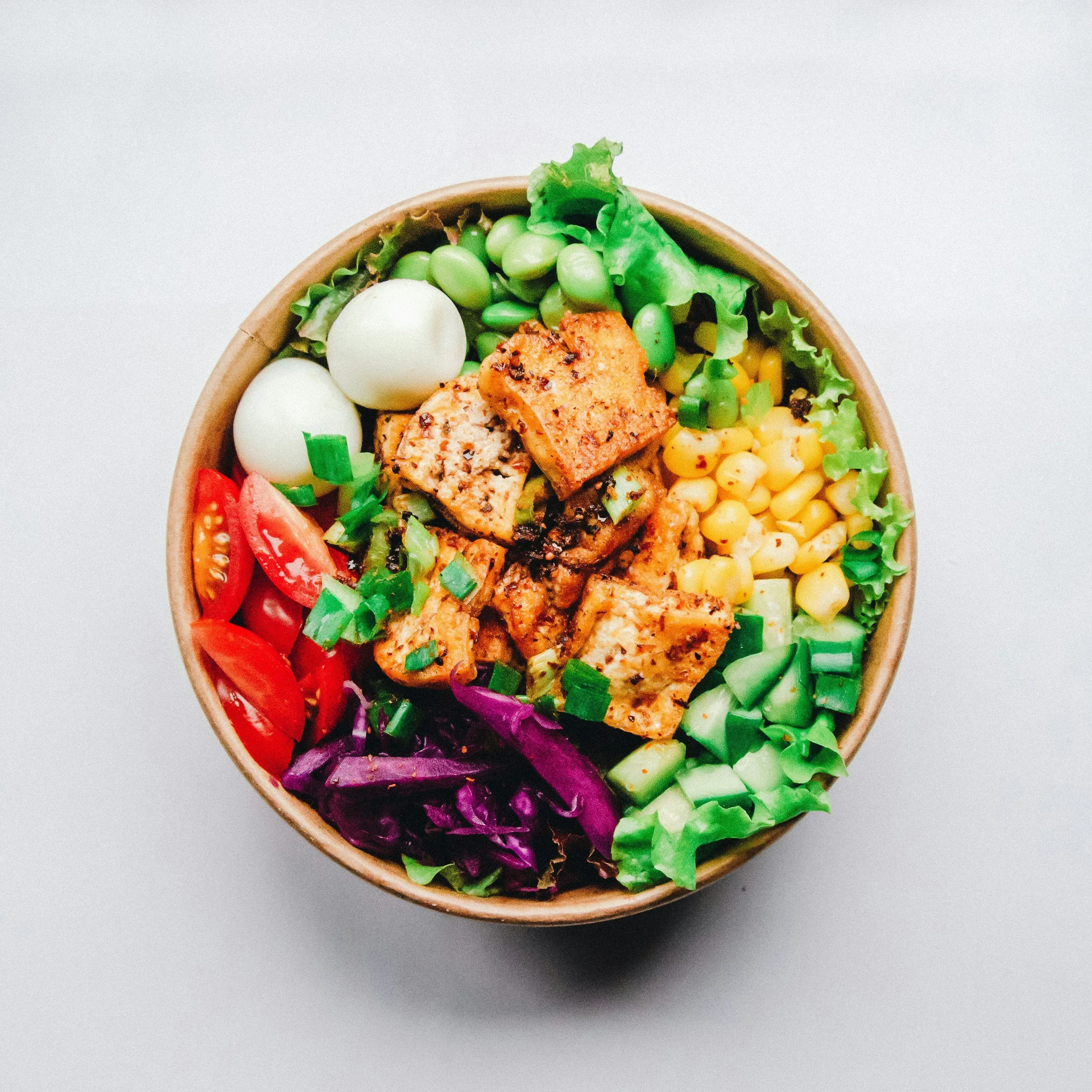
Start with:
Lean protein
Vegetables
Fruit
Healthy fats
Carbs like potatoes, sweet potatoes, squash, quinoa, or rice
Level it up: Eat your body weight in grams of protein per day.
I’ve said this to death.
Protein is expensive.
It’s still worth it.
The Biggest Bang for My (Non) Buck
If I had to narrow it down, the habits that have made the biggest difference for me are:
Morning light
Consistent sleep and wake times
Weight lifting
Protein
This is the hard stuff. The boring stuff. The unsexy stuff.
But it’s also the stuff that actually works.
Whether your goal is to look better, feel better, or both, these habits will get you there.
Mostly for free.
FAQ: Real Questions About Foundational Health Habits
Do I really need morning light if I work indoors?
Yes. Indoor lighting does not have the intensity needed to properly set your circadian rhythm.
Is hydration really that important?
Yes. Chronic low-grade dehydration impacts energy, focus, digestion, and stress hormones.
How many steps should I aim for?
A solid range is 10,000–14,000 steps per day, depending on your activity level and goals.
Is weight lifting necessary?
Not mandatory — but it is one of the most effective tools for longevity, strength, and metabolic health.
What if I can’t sleep 8 hours?
Start by improving sleep quality and consistency. Even small improvements compound over time.
Do supplements replace these habits?
No. Supplements support health — they do not create it.

We plan ahead to optimize outcomes—weddings, vacations, and job interviews. Why wouldn’t we plan to optimize our health before pregnancy? Don’t wait until you’re nauseous and exhausted to realize you need a strategy to eat better, sleep more, and stress less. Pregnancy can be an immense drain on the body, especially one that begins the journey stressed, undernourished, underslept, and exposed to a high level of environmental toxins.
Fertility Foundations is about controlling what we can control. Together, we’ll reduce lifestyle factors that may hold you back from feeling your best and do the work in advance so your body is prepared, resilient, and supported when pregnancy occurs.
This program is ideal for anyone on a fertility journey and is most effective if we have at least 3–6 months before you’d like conception to occur—but it’s also a powerful starting point if you’re earlier in the planning phase. Every change we make together supports your health, the health of your partner, and the health of your future child (and any children already in your home).
I’ll be with you every step of the way. We’ll identify the supports you need, tailor our calls to your priorities and unique situation, and adjust as life or plans shift. Entering pregnancy with a nourished, rested, and less inflamed body can make a meaningful difference in how you feel during pregnancy itself.
This program is not testing-dependent, though functional medicine testing can be added at standard rates if we decide it would be helpful. Testing is not included in the baseline program cost.
Program Details
Length
3.5 months
Meetings & Ongoing Support
Initial Setup Call:
One 60-minute onboarding sessionOngoing Calls:
Two calls per month for the first three months (45–60 minutes each)
One final call in month four (45–60 minutes)
Total Calls: 8
Email Support:
Weekly email support, as needed, for questions and ongoing guidance
Areas of Focus
We’ll focus on preparing your body—and your home—for pregnancy by improving nutrition and lifestyle factors that support fertility and a healthy conception or implantation. Topics may include:
Nutrition, optimized for fertility
Exercise
Stress management
Sleep
Environmental toxins
Supplements
Cycle regulation, if needed
Investment
$1,7000
Some of us may have a new friend in our lives. She’s… unpredictable. A bit chaotic. It doesn’t seem like she’s leaving anytime soon, and we need to figure out how to deal with her.
Meet Peri.
All jokes aside, perimenopause is often described as a time of hormonal chaos—and for many women, that’s exactly what it feels like. In today’s world of full-time jobs, aging parents, kids, school schedules, activities, and running a household, feeling “off” can sneak up on you. Perimenopause can begin 10 or more years before menopause, which is wildly inconvenient, considering these are often the years when women have the least amount of time to stop and figure out what the h*ll is going on.
Let me help.
Spend a little time with me each month, and together we’ll make sense of what’s happening in your body, reduce the overwhelm, and create a plan that actually fits your life.
If you’re in your 30s and suspect you’re just entering perimenopause, we’ll troubleshoot current symptoms, make sure the foundational lifestyle pieces are in place, and prepare you for what’s coming. If you’re in your 40s or 50s and right in the thick of it, we’ll evaluate what’s going on now, troubleshoot symptoms, refer out when appropriate, and focus on the strategies you need right now to feel better.
Areas of Focus
Our work together may include:
Understanding your current symptoms
Understanding the hormonal shifts occurring
Knowing what’s happening now and how things may change over time
Optimizing nutrition
Appropriate and effective exercise for this stage of life
Sleep hygiene
Hormone Replacement Therapy (HRT) education and discussion
Stress management strategies
How to minimize toxins
How to optimize supplements
This program is not testing-dependent. Functional Medicine testing can be added at standard rates if we decide it would be helpful. Testing is not included in the baseline program cost.
Program Details
Duration
3 months
Meetings & Support
Introductory Call:
One 60-minute onboarding sessionOngoing Calls:
Two calls per month for three months (45–60 minutes each)
Total Calls: 7
Email Support:
Weekly email support, as needed, for questions and ongoing guidance
Investment
$1,525
Would you rather do this with a friend? Check out the Add a Friend program instead!
This is the same Very Peri program—just designed for two people instead of one.
Do you have a friend who’s at the same stage of life? Move through the Very Peri coaching experience together and share the journey. You’ll receive the same education, guidance, and support as the one-person program, with the added benefit of a built-in accountability partner who truly gets it.
The topics, framework, and core content are exactly the same as the individual Very Peri program. The difference is that this option is structured to support two participants at once, with individual onboarding and expanded communication support for both people.
You’ll move through the same discussions, education, and practical guidance—together—while still receiving individualized support within the shared sessions.
How the Two-Person Program Works
Both participants attend all coaching calls together
You must be available at the same time (you may join from separate locations)
Coaching is tailored to each individual within the shared sessions
You’ll gain insight into your own perimenopause experience and learn through your friend’s perspective
What We’ll Cover
(Same as the One-Person Very Peri Program)
Understanding current symptoms
Understanding the hormonal process occurring
What’s happening now—and how things may change going forward
Optimizing nutrition
Appropriate and effective exercise for this stage of life
Sleep hygiene
Hormone Replacement Therapy (HRT) education and discussion
Stress management strategies
How to minimize toxins
How to optimize supplements
This program is not testing-dependent. Functional Medicine testing can be added at standard rates if we decide it would be helpful. Testing is not included in the base program cost.
Program Details
Duration
3 months
Meetings & Support
Introductory Calls:
Two 60-minute onboarding sessions (one per participant)Ongoing Calls:
Two shared calls per month for three months (45–60 minutes each)
Total Calls: 8
Email Support:
Up to two emails per week, as needed, for questions and ongoing support
(Emails may be submitted jointly or individually)
Investment
$2,000 total
($1,000 per person)