
What I Learned About Women’s Hormonal Health That I Wish I’d Known Sooner

I recently listened to a podcast that stopped me in my tracks.
Steven Bartlett, on Diary of a CEO, interviewed four leading experts in women’s hormonal health: Dr. Vonda Wright (Orthopedic Surgeon), Dr. Mary-Claire Haver (OB/GYN), Dr. Natalie Crawford (OB/GYN), and Dr. Stacey Sims (Exercise Physiologist and Sports Nutritionist).
As you might imagine, the conversation was wide-ranging. They covered everything from exercise and bone health to menopause, fertility, and hormone replacement. I consider myself fairly well informed about women’s health—I work in this space, I read the research, I’ve lived in a female body for nearly five decades. And still, there were moments in this conversation that genuinely surprised me.
Some of what I heard reframed my own health story in ways I didn’t expect.
The Foundation We Build Young (Whether We Know It or Not)

We often talk about hormones as something that becomes relevant in our 40s or 50s, when symptoms show up loudly and demand attention. But one of the strongest themes in this conversation was how much of our hormonal foundation is built much earlier.
Our teens and 20s are critical years for:
Building muscle mass
Laying down bone density
Establishing hormonal signaling patterns that carry us forward
These processes happen most efficiently when we are young. And if they don’t happen well—or are disrupted—those gaps tend to show up later.
This part wasn’t new to me.
What was new was how many factors can interfere with those processes long before we ever think to question them.
My Own Story
Personally, I was not athletic growing up. I wasn’t lifting weights, I wasn’t training for strength, and once I left home after high school, my diet was… fine, but far from balanced.
When I did exercise, it was entirely to be thin—not to be strong, resilient, or well-fueled.
At the time, that felt normal. Encouraged, even.
The result was that I entered my 30s with relatively low muscle mass. And by my late 40s, I was diagnosed with osteopenia—low bone density.
For years, I assumed this was the natural outcome of my earlier lifestyle choices. And to be clear, those choices absolutely played a role.
But listening to this podcast made me realize that there may have been more happening beneath the surface.
The Birth Control Conversation We Haven’t Fully Had
Before I go any further, I want to be very clear about something.
This is not an anti–birth control article.
I firmly believe that women should have access to the full range of birth control options at every stage of life. Women should control their bodies, their fertility, and their family planning—full stop.
What this conversation highlighted, though, were some of the less-discussed, long-term considerations of hormonal suppression starting at a very young age.
Not to shame.
Not to scare.
But to inform.
“Is an Irregular Cycle a Problem?”
“Yes.”
One of the most striking moments in the podcast came when Steven asked a simple question: “Is having an irregular cycle something to be concerned about?”
Every doctor answered immediately and without hesitation: YES.
That single word opened up a much deeper discussion about why irregular cycles happen and what they signal about the body.
Many women—especially those who were very athletic or very thin as teens—experienced periods of time when they didn’t menstruate regularly, even without birth control. In some cases, their periods disappeared entirely.
For many girls, this was seen as a bonus. One less inconvenience. In athletic environments, there was often an unspoken belief that being lighter or leaner improved performance.
But here’s the part that doesn’t get explained clearly enough.
No Period Often Means Low Estrogen
Those years without a cycle were not just years without bleeding. They were often years without adequate estrogen production.
And estrogen is not just about reproduction.
Estrogen is crucial for:
Bone development
Muscle growth and maintenance
Joint health
Brain function
When estrogen is consistently low during formative years, the body misses critical opportunities to build strength and density that are very difficult to recover later.
That realization alone reframed a lot for me.
Where Birth Control Enters the Picture
Now layer hormonal birth control onto this.
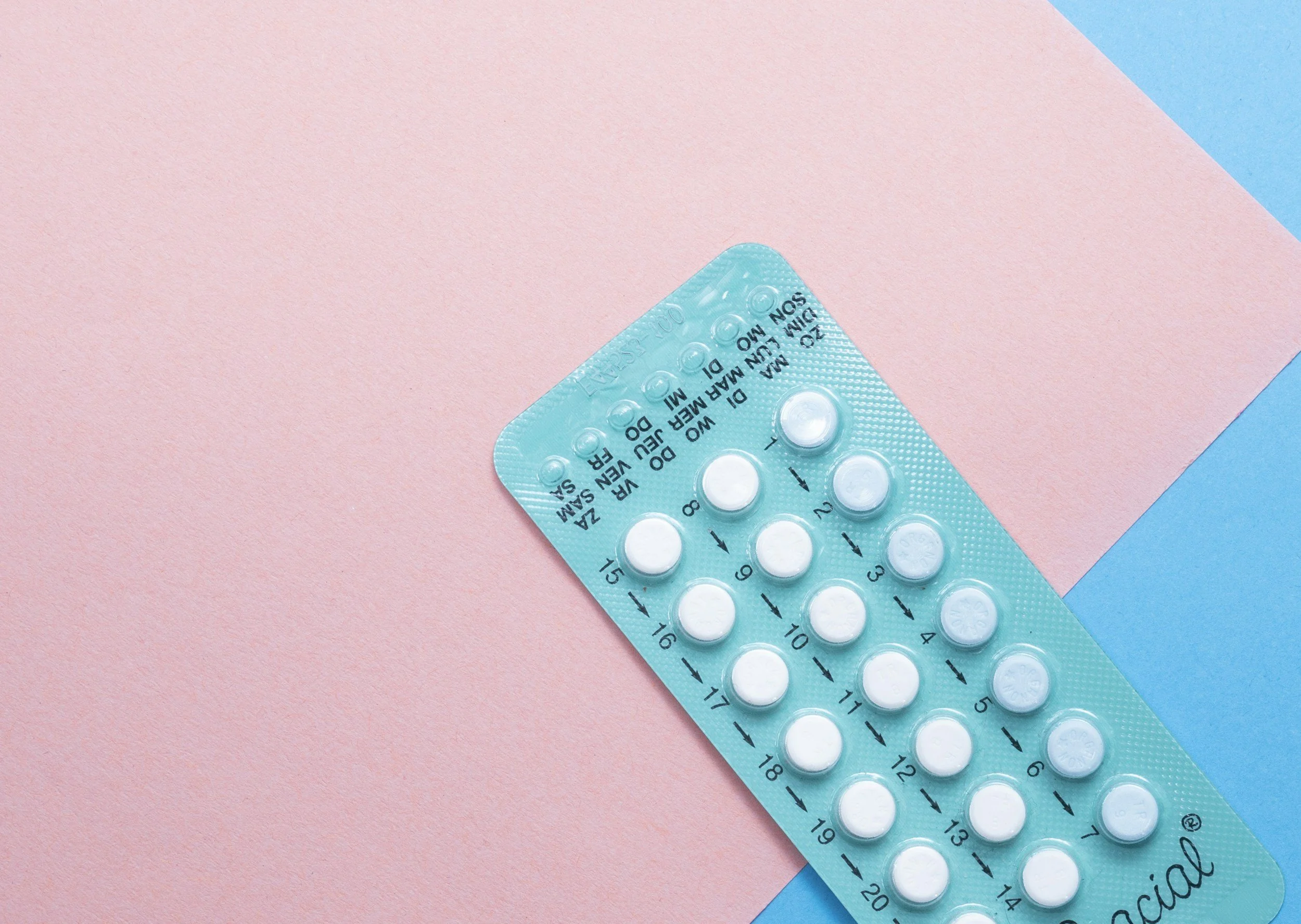
Many women I know—clients, friends, myself included—were placed on birth control at a young age due to painful, heavy, or irregular periods. At the time, there were (and often still are) very few tools offered beyond hormonal suppression.
Birth control was framed as the solution.
And in many cases, it absolutely did reduce symptoms. But as the doctors explained, in “fixing” one problem, we may unknowingly create others.
For example, I learned that for some women using a progestin IUD, the level of progesterone can be high enough to fully suppress ovulation.
Ovulation doesn’t just produce progesterone. It also contributes to estrogen production. When ovulation is suppressed long-term, estrogen levels can remain chronically low.
And bones, especially, suffer.
Decades of Suppression Add Up
I know women who have been on birth control or an IUD since they were 18 and are now in their 40s or beyond. Outside of pregnancy, their natural hormonal cycles have been suppressed for decades.
Again, this isn’t about blame. Many of us made the best choices we could with the information we had.
But it does raise important questions:
What does long-term ovulation suppression mean for bone health?
For muscle mass?
For brain health?
As Dr. Natalie Crawford noted, if someone chooses oral contraceptives, using a formulation that includes 7 placebo days and a withdrawal bleed can be beneficial—not just hormonally, but neurologically as well.
Estrogen and progesterone have profound anti-inflammatory and protective effects on the brain. This matters more than we’ve been taught to consider.
Signs of Chronic Low Estrogen
One of the most actionable parts of this conversation was the reminder that low estrogen can show up at any age, not just around menopause.
Common signs include:
Hot flashes
Night sweats
Vaginal dryness
Low libido
Joint pain
Itchy or thinning skin
Mood changes
Depression
If someone is on birth control, not getting a period, and experiencing these symptoms, it deserves a closer look—regardless of age.
The good news is that it is possible to support estrogen or progesterone while on birth control. Many providers aren’t trained in this, but options exist. Changing contraceptive type or reassessing whether hormonal suppression is still necessary can also be part of the conversation.
A Message for Parents of Young Girls
This podcast also made me think deeply about the messages we send young women.
If you’re a parent or caregiver, a few things feel especially important:
Avoid letting diet culture or thinness dominate the household narrative
If your daughter is athletic, don’t assume missing periods are “normal”
Sometimes gaining a small amount of weight can signal safety to the body and restore cycling
Consider family history—osteoporosis often runs in families
If medical intervention is needed, address lifestyle factors alongside it
Hormonal health is never just about hormones alone.
Why This Isn’t Just a “Women’s Issue”

There was a time when I would have addressed this message only to women.
I no longer believe that makes sense.
Men are partners, fathers, coaches, healthcare providers, and decision-makers. They need to understand how women’s bodies work—not as a niche topic, but as foundational knowledge.
Listening to Steven Bartlett ask thoughtful, informed questions was a powerful reminder of that.
This information benefits everyone.
I don’t share this to rewrite the past or create regret. I share it because information creates choice.
Understanding how our hormonal health is shaped—sometimes decades before symptoms appear—gives us the ability to ask better questions, advocate for ourselves and our daughters, and make decisions with both short-term relief and long-term health in mind.
If this resonated with you, pass it along. These are conversations worth having—out loud, across generations, and without shame.
And if you want help addressing lifestyle factors that support hormone health at any age, you know where to find me.
Frequently Asked Questions About Women’s Hormonal Health, Cycles, and Birth Control
Why is having a regular menstrual cycle important?
A regular menstrual cycle is often a sign that the body is producing adequate levels of estrogen and progesterone. These hormones play critical roles not only in reproduction, but also in bone density, muscle development, joint health, brain function, and mood regulation. When cycles are consistently irregular or absent, it can signal hormonal suppression or imbalance that may have long-term health implications.
Is it normal to lose your period if you’re very athletic or very thin?
It is common, but that doesn’t mean it’s optimal. Losing a period due to intense training, low energy intake, or low body fat often reflects low estrogen levels. During adolescence and early adulthood, this can interfere with bone and muscle development. While the absence of a period may feel convenient, it can carry long-term consequences if left unaddressed.
How does estrogen affect bone and muscle health?
Estrogen plays a key role in building and maintaining bone density and muscle mass. During the teen and early adult years, estrogen helps the body lay down bone that protects against osteoporosis later in life. Chronically low estrogen—at any age—can accelerate bone loss and make it harder to maintain muscle and joint health.
Can birth control affect hormone levels beyond preventing pregnancy?
Yes. Some forms of hormonal birth control suppress ovulation, which can reduce the body’s natural production of estrogen and progesterone. While this can be helpful for symptom management or pregnancy prevention, long-term suppression may have effects on bone, muscle, and
Explore Our Programs
We plan ahead to optimize outcomes—weddings, vacations, and job interviews. Why wouldn’t we plan to optimize our health before pregnancy? Don’t wait until you’re nauseous and exhausted to realize you need a strategy to eat better, sleep more, and stress less. Pregnancy can be an immense drain on the body, especially one that begins the journey stressed, undernourished, underslept, and exposed to a high level of environmental toxins.
Fertility Foundations is about controlling what we can control. Together, we’ll reduce lifestyle factors that may hold you back from feeling your best and do the work in advance so your body is prepared, resilient, and supported when pregnancy occurs.
This program is ideal for anyone on a fertility journey and is most effective if we have at least 3–6 months before you’d like conception to occur—but it’s also a powerful starting point if you’re earlier in the planning phase. Every change we make together supports your health, the health of your partner, and the health of your future child (and any children already in your home).
I’ll be with you every step of the way. We’ll identify the supports you need, tailor our calls to your priorities and unique situation, and adjust as life or plans shift. Entering pregnancy with a nourished, rested, and less inflamed body can make a meaningful difference in how you feel during pregnancy itself.
This program is not testing-dependent, though functional medicine testing can be added at standard rates if we decide it would be helpful. Testing is not included in the baseline program cost.
Program Details
Length
3.5 months
Meetings & Ongoing Support
Initial Setup Call:
One 60-minute onboarding sessionOngoing Calls:
Two calls per month for the first three months (45–60 minutes each)
One final call in month four (45–60 minutes)
Total Calls: 8
Email Support:
Weekly email support, as needed, for questions and ongoing guidance
Areas of Focus
We’ll focus on preparing your body—and your home—for pregnancy by improving nutrition and lifestyle factors that support fertility and a healthy conception or implantation. Topics may include:
Nutrition, optimized for fertility
Exercise
Stress management
Sleep
Environmental toxins
Supplements
Cycle regulation, if needed
Investment
$1,7000
Some of us may have a new friend in our lives. She’s… unpredictable. A bit chaotic. It doesn’t seem like she’s leaving anytime soon, and we need to figure out how to deal with her.
Meet Peri.
All jokes aside, perimenopause is often described as a time of hormonal chaos—and for many women, that’s exactly what it feels like. In today’s world of full-time jobs, aging parents, kids, school schedules, activities, and running a household, feeling “off” can sneak up on you. Perimenopause can begin 10 or more years before menopause, which is wildly inconvenient, considering these are often the years when women have the least amount of time to stop and figure out what the h*ll is going on.
Let me help.
Spend a little time with me each month, and together we’ll make sense of what’s happening in your body, reduce the overwhelm, and create a plan that actually fits your life.
If you’re in your 30s and suspect you’re just entering perimenopause, we’ll troubleshoot current symptoms, make sure the foundational lifestyle pieces are in place, and prepare you for what’s coming. If you’re in your 40s or 50s and right in the thick of it, we’ll evaluate what’s going on now, troubleshoot symptoms, refer out when appropriate, and focus on the strategies you need right now to feel better.
Areas of Focus
Our work together may include:
Understanding your current symptoms
Understanding the hormonal shifts occurring
Knowing what’s happening now and how things may change over time
Optimizing nutrition
Appropriate and effective exercise for this stage of life
Sleep hygiene
Hormone Replacement Therapy (HRT) education and discussion
Stress management strategies
How to minimize toxins
How to optimize supplements
This program is not testing-dependent. Functional Medicine testing can be added at standard rates if we decide it would be helpful. Testing is not included in the baseline program cost.
Program Details
Duration
3 months
Meetings & Support
Introductory Call:
One 60-minute onboarding sessionOngoing Calls:
Two calls per month for three months (45–60 minutes each)
Total Calls: 7
Email Support:
Weekly email support, as needed, for questions and ongoing guidance
Investment
$1,525
Would you rather do this with a friend? Check out the Add a Friend program instead!

This is the same Very Peri program—just designed for two people instead of one.
Do you have a friend who’s at the same stage of life? Move through the Very Peri coaching experience together and share the journey. You’ll receive the same education, guidance, and support as the one-person program, with the added benefit of a built-in accountability partner who truly gets it.
The topics, framework, and core content are exactly the same as the individual Very Peri program. The difference is that this option is structured to support two participants at once, with individual onboarding and expanded communication support for both people.
You’ll move through the same discussions, education, and practical guidance—together—while still receiving individualized support within the shared sessions.
How the Two-Person Program Works
Both participants attend all coaching calls together
You must be available at the same time (you may join from separate locations)
Coaching is tailored to each individual within the shared sessions
You’ll gain insight into your own perimenopause experience and learn through your friend’s perspective
What We’ll Cover
(Same as the One-Person Very Peri Program)
Understanding current symptoms
Understanding the hormonal process occurring
What’s happening now—and how things may change going forward
Optimizing nutrition
Appropriate and effective exercise for this stage of life
Sleep hygiene
Hormone Replacement Therapy (HRT) education and discussion
Stress management strategies
How to minimize toxins
How to optimize supplements
This program is not testing-dependent. Functional Medicine testing can be added at standard rates if we decide it would be helpful. Testing is not included in the base program cost.
Program Details
Duration
3 months
Meetings & Support
Introductory Calls:
Two 60-minute onboarding sessions (one per participant)Ongoing Calls:
Two shared calls per month for three months (45–60 minutes each)
Total Calls: 8
Email Support:
Up to two emails per week, as needed, for questions and ongoing support
(Emails may be submitted jointly or individually)
Investment
$2,000 total
($1,000 per person)