
Thin Is Trending Again - But That Doesn’t Mean It’s Healthy

There has been a lot of media attention focused around being “skinny” again.
For a while, it seemed as if the heroin chic 90s were over, but it seems like they are making a resurgence. The skyrocketing popularity of GLP-1s like Ozempic is unfortunately not helping (no shade, just facts). And most recently, there has been a very big movie release with two very thin female stars, and I’ve had multiple moms discuss with me how triggering it has been to see that on the big screen.
Especially for women who have struggled with eating disorders, but also for those who now feel like they need to have conversations with their daughters about how being that skinny is not the goal.
And in my own practice, I see and hear this a lot - a real focus on thinness and a fear of gaining any type of size, even when it might actually benefit someone’s health.
When “Leaner” Isn’t Better
Recently, I had a new patient functional call with a young woman who was 5’7” and 140 pounds. She had unintentionally lost some fat over the past 8 months and described herself as “very lean” right now.
And sure enough, as that weight had come off, she’d had a comeback of some pretty serious inflammatory health issues that had previously been laying low.
Was it the weight loss? Was it something else?
Impossible to say definitively.
But my view is that it’s worth examining the question of whether perhaps her body is happier at 150 pounds than it is at 140 pounds.
We are in the process of figuring that out now. And importantly, she has a good relationship with food and her body and is very open to the idea that she might feel better with a bit more fat and muscle on her.
That openness matters.
Thin Does Not Equal Healthy
Thin does not equal healthy.
For years, I was singularly focused on being thin, and I ended up being what we now call “skinny fat.”
Not enough food. Not enough protein. A singular reliance on cardio.
That’s what drove my skinny fat-ness.
I was exhausted. I had horrible blood sugar regulation, with regular hypoglycemic episodes. I had huge mood swings. I would binge eat. My cycle was a hot, hot mess.
From the outside, it might have looked like health.
It wasn’t.
What the Data Actually Shows
And when we zoom out from aesthetics and look at actual outcomes, the data is pretty clear:
Strength correlates with longevity.
In other words, the stronger your body, especially your legs, the lower your all-cause mortality.
Every 5 kg INCREASE in strength is associated with a 28% DECREASE in all-cause mortality.
And in a different study, resistance training (both legs and full body) was associated with:
A 15% lower risk of all-cause mortality
Lower cancer risk
Lower cardiovascular disease risk
AND…this is the part that really matters…These associations hold even after accounting for physical activity. Meaning: strength itself is an important predictor of longevity. Not just how much you exercise.
Muscle Is Not Just About Aesthetics
There is no pill that can give you what muscle can give you in terms of your health.
Not even GLP-1 medications like Wegovy.
We have to stop thinking of muscle as just an aesthetic thing.
It is aesthetic, don’t get me wrong - you will look better, younger, more vibrant with more muscle.
A pound of muscle takes up less space than a pound of fat. So you can lose fat, gain muscle, maintain the exact same weight, and go down several pant sizes.
But muscle also:
Helps regulate blood sugar
Supports brain health
Keeps you upright, mobile, and independent
Allows you to play with your kids (and eventually your grandkids)
Improves resilience across the board
This is not about how you look. This is about how you function, and how long you stay functional.
Strength Is a Long Game
These findings also highlight something important:
Strength is a reserve.
If you build good muscle mass in your teens, 20s, and 30s, you are setting yourself up with a buffer going into older age. Even if your activity levels change, that strength reserve gives you an edge.
On the flip side, if you spent years focused on being thin (hi, it’s me), or if you were a long-time cardio athlete who never prioritized strength, there’s more work to do.
Same goes for:
Coming back from illness or injury
Experiencing significant weight loss
Using GLP-1 medications and losing muscle along with fat
You need to build muscle now.
It is never too late, but earlier is easier.
What Resistance Training Actually Looks Like
I’ve talked a lot about this before, but here are the Cliff Notes:
Lift weights 2–3 times per week. Each workout should target your whole body.
Focus on the main movements:
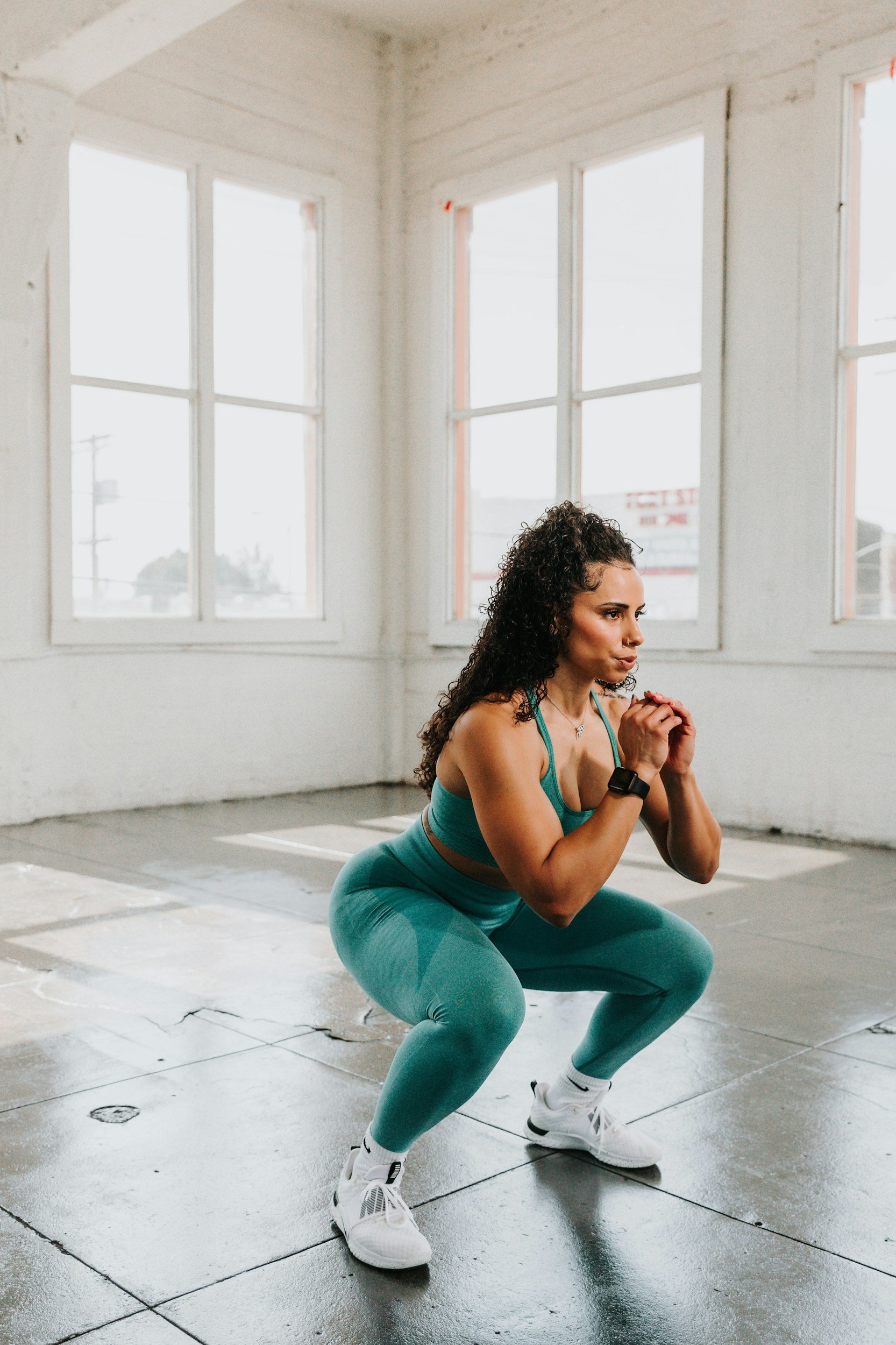
A squat or lunge (for your legs)
A deadlift (for your glutes and hamstrings)
A push (like a bench press or overhead press)
A pull (like a row)
For each exercise, do 3 sets of 6–10 reps.
And the key piece: the last few reps should feel hard. You want to stop when you feel like you could only do 1–2 more reps with good form.
That’s where the progress happens.
And just to clarify: “Burn” is not failure. Inability to move the weight with the same speed or form, that’s what signals you’re approaching muscular failure.
Can You Do This at Home? Yes. But you need adequate weight. Your legs will outlift your arms every time. Get a set of adjustable dumbbells (ideally up to 50 lbs each) and you can absolutely get started at home.
What About Pilates and Cardio?
Pilates is great.
It is not resistance training.
Use it as accessory work. I know, I know.
Running, biking, and swimming are also great, but they are not resistance training either. Do them if you love them. But especially in your 40s and beyond, they should be supplemented with resistance training.
Full stop.
The Bottom Line
We are being sold a very specific version of health right now.
And it’s not accurate.
The goal is not to be as small as possible.
The goal is to be strong. To be metabolically healthy. To have a body that actually supports your life.
That might mean gaining weight.
That might mean letting go of the idea that thinner is always better.
But if you want to live longer and live better, muscle matters.
Frequently Asked Questions
Does being thin mean you are healthy?
No. Thinness does not automatically reflect metabolic health, hormone balance, or adequate muscle mass.
Can gaining weight ever improve health?
Yes. In many cases, gaining muscle can improve hormone function, energy levels, and overall metabolic health. Gaining fat may be necessary if you are underweight and want to get pregnant, for example, or have lost your periods.
Why is strength linked to longevity?
Higher strength levels are associated with lower all-cause mortality, likely due to improvements in metabolic health, mobility, and resilience.
Is resistance training necessary if I already do cardio?
Yes. Cardio supports heart health, but resistance training is essential for maintaining muscle mass and metabolic function.
How often should I lift weights?
2–3 full-body resistance training sessions per week is a strong, sustainable starting point.
Can you build muscle after 40?
Absolutely. It may take more intentional effort, but the body remains highly adaptable with the right stimulus.
Do GLP-1 medications affect muscle mass?
They can lead to muscle loss if weight loss is rapid and not supported by strength training and adequate protein intake.
What does “skinny fat” mean?
It refers to having a lower body weight but insufficient muscle mass and higher body fat percentage, often paired with poor metabolic health.
Weight loss medications have changed the landscape of health and weight management. GLP-1 medications are helping people lose weight, reduce inflammation, and, in many cases, decrease reliance on other medications. For many, they feel like a long-awaited solution.
But for many, this solution isn’t the full story. New research shows that 50-80% of people report gaining back between 25 and 60% of the lost weight within two years of stopping medication. What does that tell us? For many, supportive lifestyle pieces were likely missing.
Lasting success requires a plan. Many people are never taught the lifestyle strategies needed to preserve muscle, support metabolism, and nourish their body while appetite is suppressed. Muscle loss during weight loss is one of the biggest predictors of regain—and it can be prevented.
The GLP-1 Companion is about setting you up for long-term success. Together, we’ll focus on how to eat and move in a way that supports fat loss while protecting muscle, energy, and overall health. No gimmicks, no fads—just science-based guidance, common sense, and consistent support.
I’ll be with you every step of the way. We’ll tailor our calls to your goals, your body, and your lifestyle, so you leave this program confident in how to care for yourself both on and beyond your GLP-1 medication.
Program Details
Length
5 weeks
Meetings & Ongoing Support
Coaching Calls:
Five 60-minute one-on-one calls
Total Calls: 5 (5 total hours)
Email Support:
Weekly email support for questions and guidance throughout the program
Additional Support:
Additional consultation hours available at $175/hour
Areas of Focus
We’ll focus on the foundational habits that support sustainable weight loss and long-term metabolic health, including:
How weight loss occurs in the body
Fat loss vs. muscle loss—and why it matters
The role of movement and exercise while on GLP-1 medications
Protein, carbohydrates, and fats: how to balance them with reduced appetite
Practical strategies for managing decreased hunger cues while meeting nutritional needs
Investment
$1,075
We plan ahead to optimize outcomes—weddings, vacations, and job interviews. Why wouldn’t we plan to optimize our health before pregnancy? Don’t wait until you’re nauseous and exhausted to realize you need a strategy to eat better, sleep more, and stress less. Pregnancy can be an immense drain on the body, especially one that begins the journey stressed, undernourished, underslept, and exposed to a high level of environmental toxins.
Fertility Foundations is about controlling what we can control. Together, we’ll reduce lifestyle factors that may hold you back from feeling your best and do the work in advance so your body is prepared, resilient, and supported when pregnancy occurs.
This program is ideal for anyone on a fertility journey and is most effective if we have at least 3–6 months before you’d like conception to occur—but it’s also a powerful starting point if you’re earlier in the planning phase. Every change we make together supports your health, the health of your partner, and the health of your future child (and any children already in your home).
I’ll be with you every step of the way. We’ll identify the supports you need, tailor our calls to your priorities and unique situation, and adjust as life or plans shift. Entering pregnancy with a nourished, rested, and less inflamed body can make a meaningful difference in how you feel during pregnancy itself.
This program is not testing-dependent, though functional medicine testing can be added at standard rates if we decide it would be helpful. Testing is not included in the baseline program cost.
Program Details
Length
3.5 months
Meetings & Ongoing Support
Initial Setup Call:
One 60-minute onboarding sessionOngoing Calls:
Two calls per month for the first three months (45–60 minutes each)
One final call in month four (45–60 minutes)
Total Calls: 8
Email Support:
Weekly email support, as needed, for questions and ongoing guidance
Areas of Focus
We’ll focus on preparing your body—and your home—for pregnancy by improving nutrition and lifestyle factors that support fertility and a healthy conception or implantation. Topics may include:
Nutrition, optimized for fertility
Exercise
Stress management
Sleep
Environmental toxins
Supplements
Cycle regulation, if needed
Investment
$1,7000
Some of us may have a new friend in our lives. She’s… unpredictable. A bit chaotic. It doesn’t seem like she’s leaving anytime soon, and we need to figure out how to deal with her.
Meet Peri.
All jokes aside, perimenopause is often described as a time of hormonal chaos—and for many women, that’s exactly what it feels like. In today’s world of full-time jobs, aging parents, kids, school schedules, activities, and running a household, feeling “off” can sneak up on you. Perimenopause can begin 10 or more years before menopause, which is wildly inconvenient, considering these are often the years when women have the least amount of time to stop and figure out what the h*ll is going on.
Let me help.
Spend a little time with me each month, and together we’ll make sense of what’s happening in your body, reduce the overwhelm, and create a plan that actually fits your life.
If you’re in your 30s and suspect you’re just entering perimenopause, we’ll troubleshoot current symptoms, make sure the foundational lifestyle pieces are in place, and prepare you for what’s coming. If you’re in your 40s or 50s and right in the thick of it, we’ll evaluate what’s going on now, troubleshoot symptoms, refer out when appropriate, and focus on the strategies you need right now to feel better.
Areas of Focus
Our work together may include:
Understanding your current symptoms
Understanding the hormonal shifts occurring
Knowing what’s happening now and how things may change over time
Optimizing nutrition
Appropriate and effective exercise for this stage of life
Sleep hygiene
Hormone Replacement Therapy (HRT) education and discussion
Stress management strategies
How to minimize toxins
How to optimize supplements
This program is not testing-dependent. Functional Medicine testing can be added at standard rates if we decide it would be helpful. Testing is not included in the baseline program cost.
Program Details
Duration
3 months
Meetings & Support
Introductory Call:
One 60-minute onboarding sessionOngoing Calls:
Two calls per month for three months (45–60 minutes each)
Total Calls: 7
Email Support:
Weekly email support, as needed, for questions and ongoing guidance
Investment
$1,525
Would you rather do this with a friend? Check out the Add a Friend program instead!
This is the same Very Peri program—just designed for two people instead of one.
Do you have a friend who’s at the same stage of life? Move through the Very Peri coaching experience together and share the journey. You’ll receive the same education, guidance, and support as the one-person program, with the added benefit of a built-in accountability partner who truly gets it.
The topics, framework, and core content are exactly the same as the individual Very Peri program. The difference is that this option is structured to support two participants at once, with individual onboarding and expanded communication support for both people.
You’ll move through the same discussions, education, and practical guidance—together—while still receiving individualized support within the shared sessions.
How the Two-Person Program Works
Both participants attend all coaching calls together
You must be available at the same time (you may join from separate locations)
Coaching is tailored to each individual within the shared sessions
You’ll gain insight into your own perimenopause experience and learn through your friend’s perspective
What We’ll Cover
(Same as the One-Person Very Peri Program)
Understanding current symptoms
Understanding the hormonal process occurring
What’s happening now—and how things may change going forward
Optimizing nutrition
Appropriate and effective exercise for this stage of life
Sleep hygiene
Hormone Replacement Therapy (HRT) education and discussion
Stress management strategies
How to minimize toxins
How to optimize supplements
This program is not testing-dependent. Functional Medicine testing can be added at standard rates if we decide it would be helpful. Testing is not included in the base program cost.
Program Details
Duration
3 months
Meetings & Support
Introductory Calls:
Two 60-minute onboarding sessions (one per participant)Ongoing Calls:
Two shared calls per month for three months (45–60 minutes each)
Total Calls: 8
Email Support:
Up to two emails per week, as needed, for questions and ongoing support
(Emails may be submitted jointly or individually)
Investment
$2,000 total
($1,000 per person)