
Bone Health Isn’t an “Old Person” Problem (And Waiting Until 65 Is a Mistake)

Sometimes in practice, I start to notice patterns.
I’ll have a stretch of a few weeks where multiple people come in, and somehow we keep circling back to the same topic over and over again.
Recently, it’s been bone health.
And I want to flag this, because most people still think of bone health as an “old person” problem.
It’s not.
Bone health is largely determined in your youth. What you do in your teens, 20s, and even into your 30s plays a massive role in what your bones look like later on.
And what you do in your 30s and 40s? That determines whether you maintain what you built or start losing it.
A Few Stories (Because This Is Where It Gets Missed)
The 37-Year-Old Male No One Thought to Test
I have a 37-year-old male patient who’s been dealing with inflammatory issues in his feet for years.
Pain, restriction, recurring flare-ups.
He’s done everything right. Seen multiple specialists. Multiple physical therapists. Followed instructions. Stayed off his feet when told. Put in the work for two full years.
Things kind of improved, but not fully. And no one could really explain why.
In all that time, no one suggested checking his bone density. Why? Because he’s young. He’s male. It likely never registered. I didn't even think about bone density initially, despite the issue being directly related to his feet.
Eventually, he ends up with an endocrinologist who runs more comprehensive testing.
Turns out:
Low bone density (osteopenia range)
Low testosterone
Now we’ve got a chicken-and-egg situation.
Did two years of reduced activity, muscle loss, and possibly under-eating lead to lower bone density and hormones?
Or was low bone density there from the start, contributing to the original issue?
We don’t know.
And this is one of those cases where I don’t have a clean takeaway. It’s a bit of a fluke story. Other than to say, even in younger men, bone density can absolutely be in play, and we’re usually not checking it.
The 62-Year-Old Woman Who Had to Push for a DEXA
Another patient, 62-year-old female. Very fit. Very active.
She’s had chronic lower back pain for years. Acupuncture, chiropractic, PT, massage. It all helps, but nothing fully resolves it.
She also has a noticeable scoliosis, which is likely part of the picture.
Since working together, she started hormone therapy and has done really well with it.
So she asks her doctor for a DEXA scan (a bone density scan).
The response? Pushback.
Because general guidelines say:
Women: start at 65
Men: start at 70
Even with years of documented back pain, it “wasn’t indicated.”
She pushed for it anyway. And she’s getting it done.
Now… let’s put on our thinking caps for a second.
Bone density is built early.
Your nutrition, your activity level, how much impact and resistance training you do, how much muscle you build - this all determines your peak bone mass.
That peak is typically reached somewhere between ages 25–30.
After that, you’re maintaining. Or you’re losing.
So if bone loss can start in your 30s or 40s… why are we waiting until 65 to check?
By then, you’re not catching a trend. You’re dealing with the result.

What a DEXA Scan Actually Does (And Why It Matters)
A DEXA scan measures bone mineral density.
Not bone “health” in a full, comprehensive sense, but density matters. A lot.
It gives you objective data:
Are your bones normal?
Are you trending toward osteopenia?
Are you already there?
And importantly, this is not the same as the body composition scans you see at gyms. Those are fine for tracking muscle and fat. They are not accurate for bone density.
DEXA is.
And in most places, you can get one for under $150. That's dinner out! Skip it once and get actual information about your skeletal health instead.
Hormones Matter More Than People Realize
Hormones, especially estrogen, play a massive role in bone health. And this is where things get more relevant for women. During perimenopause, estrogen and progesterone start to fluctuate and decline.
Bone loss can begin before menopause. It often accelerates in the year leading up to the final period and continues for 5–7 years after. That’s not subtle. That’s a significant shift in bone metabolism.
Hormone replacement therapy (HRT), when appropriate and started early enough, can:
Slow bone loss
Help maintain bone density
In some cases, support new bone formation
And just to put some numbers to that (because this actually matters) estradiol levels in our blood play a big role here.
Roughly speaking, blood levels around 30–60 pg/mL may help maintain bone density, while levels closer to 65–150 pg/mL may be needed to actually support building new bone.
That can influence dosing, especially if someone is using a patch, and it’s part of why this conversation needs to be a little more nuanced than just “are you on HRT or not.”
Also Worth Saying: This Starts Earlier Than You Think
A lot of women spend years on estrogen-suppressing birth control in their teens and 20s. This can impact bone health. No one tells us this.
Then we move into our 30s and 40s, often under-eating, overtraining, or prioritizing being thin over being strong. Also not great for bones.
And then perimenopause hits.
You can probably see how this stacks.
The Cost of Staying Thin (Long-Term)
I’m going to say this directly.
There’s a pattern I see over and over again in women with poor bone density:
Long-term under-eating
Low muscle mass
Chronic focus on staying thin
And eventually, it catches up. It doesn’t always show up dramatically at first.
Sometimes it’s chronic back pain. Sometimes it’s subtle structural changes. And sometimes it’s something like a vertebral fracture from coughing.
That’s not rare.
What Actually Supports Bone Health (At Any Age)
If you’re in your 30s or 40s, this is where you have the most control.
You don’t need to overhaul your life. But you do need to get the basics right.
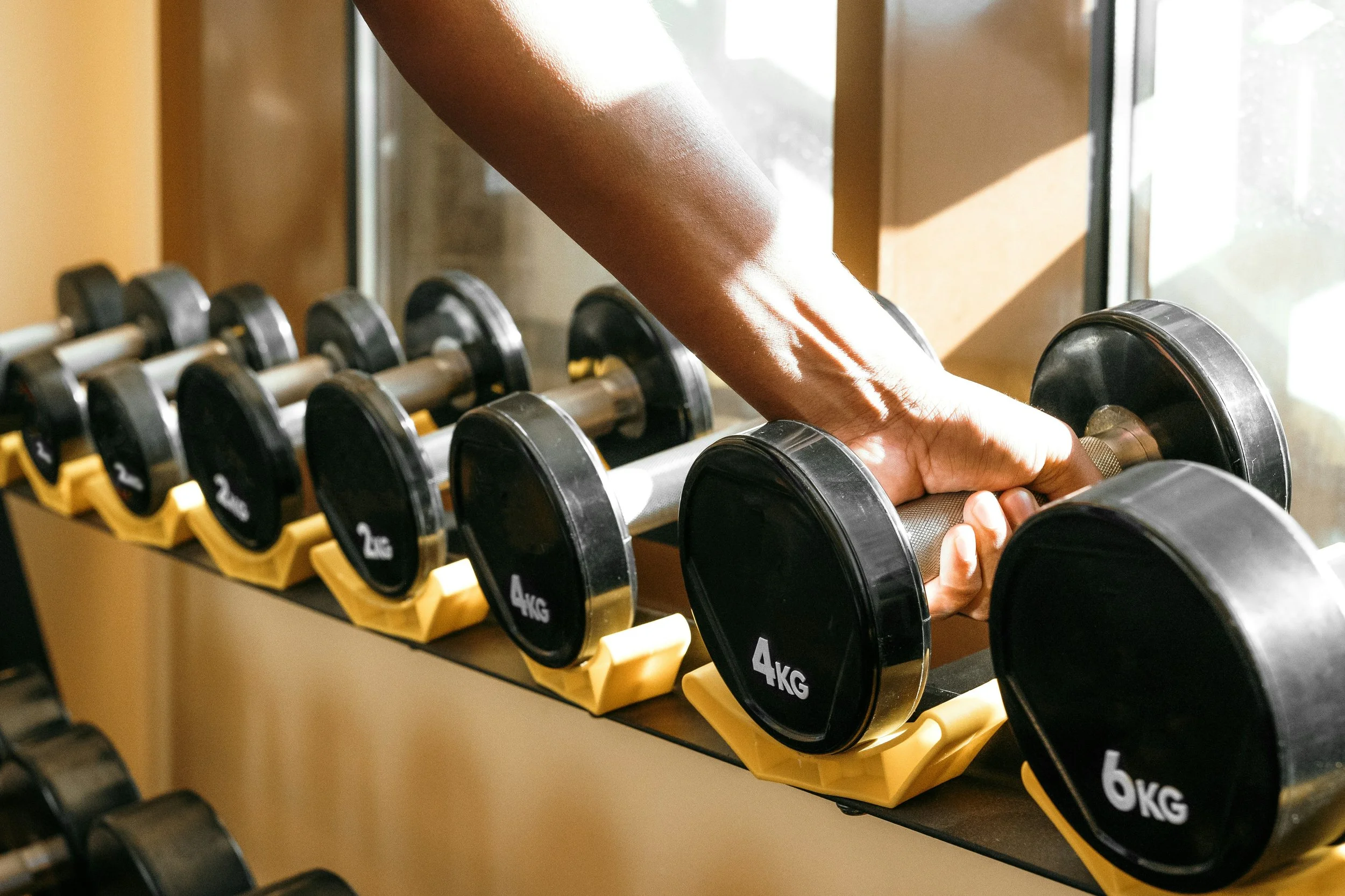
Strength train (properly)
We’re talking about real resistance training. Loads that feel challenging. Getting close to failure. Compound movements: squats, lunges, deadlifts, presses, rows.Eat enough (this matters more than you think)
Chronic under-fueling will work against you here.Get adequate nutrients
Calcium (~1200mg/day, ideally from food), plus magnesium, vitamin D3, K2, potassium, boron - all play a role.Prioritize protein
Around 0.8–1g per pound of body weight is a solid target for most people.Don’t smoke
This one’s straightforward.Know your history
Even if no one was formally diagnosed, a pattern of frequent fractures in your family matters.
So… Should You Get a DEXA Scan Earlier?
Yes.
If you can get one in your 30s or 40s, it’s worth having a baseline.
If your bone density is good - great. Keep doing what you’re doing.
If it’s not, you’ve got time to actually do something about it.
That’s the whole point. Because waiting until 65 doesn’t give you that same opportunity. It just tells you where you ended up.
Frequently Asked Questions
What is a DEXA scan and why does it matter?
A DEXA scan measures bone mineral density and helps identify early bone loss before fractures happen.
At what age should I get a DEXA scan?
Guidelines say 65+, but many people benefit from a baseline scan in their 30s or 40s.
Can men have low bone density?
Yes, men are often overlooked, but low testosterone, inactivity, and under-fueling can all contribute.
Does strength training improve bone density?
Yes, progressive resistance training is one of the most effective ways to maintain or build bone density.
How does perimenopause affect bone health?
Hormonal changes, especially declining estrogen, can accelerate bone loss even before menopause.
Are gym body scans the same as a DEXA scan?
No, those estimate body composition but are not accurate for measuring bone density.
Can I improve bone density if it’s already low?
In many cases, yes, through strength training, nutrition, and sometimes medical or hormone support.

Weight loss medications have changed the landscape of health and weight management. GLP-1 medications are helping people lose weight, reduce inflammation, and, in many cases, decrease reliance on other medications. For many, they feel like a long-awaited solution.
But for many, this solution isn’t the full story. New research shows that 50-80% of people report gaining back between 25 and 60% of the lost weight within two years of stopping medication. What does that tell us? For many, supportive lifestyle pieces were likely missing.
Lasting success requires a plan. Many people are never taught the lifestyle strategies needed to preserve muscle, support metabolism, and nourish their body while appetite is suppressed. Muscle loss during weight loss is one of the biggest predictors of regain—and it can be prevented.
The GLP-1 Companion is about setting you up for long-term success. Together, we’ll focus on how to eat and move in a way that supports fat loss while protecting muscle, energy, and overall health. No gimmicks, no fads—just science-based guidance, common sense, and consistent support.
I’ll be with you every step of the way. We’ll tailor our calls to your goals, your body, and your lifestyle, so you leave this program confident in how to care for yourself both on and beyond your GLP-1 medication.
Program Details
Length
5 weeks
Meetings & Ongoing Support
Coaching Calls:
Five 60-minute one-on-one calls
Total Calls: 5 (5 total hours)
Email Support:
Weekly email support for questions and guidance throughout the program
Additional Support:
Additional consultation hours available at $175/hour
Areas of Focus
We’ll focus on the foundational habits that support sustainable weight loss and long-term metabolic health, including:
How weight loss occurs in the body
Fat loss vs. muscle loss—and why it matters
The role of movement and exercise while on GLP-1 medications
Protein, carbohydrates, and fats: how to balance them with reduced appetite
Practical strategies for managing decreased hunger cues while meeting nutritional needs
Investment
$1,075

We plan ahead to optimize outcomes—weddings, vacations, and job interviews. Why wouldn’t we plan to optimize our health before pregnancy? Don’t wait until you’re nauseous and exhausted to realize you need a strategy to eat better, sleep more, and stress less. Pregnancy can be an immense drain on the body, especially one that begins the journey stressed, undernourished, underslept, and exposed to a high level of environmental toxins.
Fertility Foundations is about controlling what we can control. Together, we’ll reduce lifestyle factors that may hold you back from feeling your best and do the work in advance so your body is prepared, resilient, and supported when pregnancy occurs.
This program is ideal for anyone on a fertility journey and is most effective if we have at least 3–6 months before you’d like conception to occur—but it’s also a powerful starting point if you’re earlier in the planning phase. Every change we make together supports your health, the health of your partner, and the health of your future child (and any children already in your home).
I’ll be with you every step of the way. We’ll identify the supports you need, tailor our calls to your priorities and unique situation, and adjust as life or plans shift. Entering pregnancy with a nourished, rested, and less inflamed body can make a meaningful difference in how you feel during pregnancy itself.
This program is not testing-dependent, though functional medicine testing can be added at standard rates if we decide it would be helpful. Testing is not included in the baseline program cost.
Program Details
Length
3.5 months
Meetings & Ongoing Support
Initial Setup Call:
One 60-minute onboarding sessionOngoing Calls:
Two calls per month for the first three months (45–60 minutes each)
One final call in month four (45–60 minutes)
Total Calls: 8
Email Support:
Weekly email support, as needed, for questions and ongoing guidance
Areas of Focus
We’ll focus on preparing your body—and your home—for pregnancy by improving nutrition and lifestyle factors that support fertility and a healthy conception or implantation. Topics may include:
Nutrition, optimized for fertility
Exercise
Stress management
Sleep
Environmental toxins
Supplements
Cycle regulation, if needed
Investment
$1,7000
Some of us may have a new friend in our lives. She’s… unpredictable. A bit chaotic. It doesn’t seem like she’s leaving anytime soon, and we need to figure out how to deal with her.
Meet Peri.
All jokes aside, perimenopause is often described as a time of hormonal chaos—and for many women, that’s exactly what it feels like. In today’s world of full-time jobs, aging parents, kids, school schedules, activities, and running a household, feeling “off” can sneak up on you. Perimenopause can begin 10 or more years before menopause, which is wildly inconvenient, considering these are often the years when women have the least amount of time to stop and figure out what the h*ll is going on.
Let me help.
Spend a little time with me each month, and together we’ll make sense of what’s happening in your body, reduce the overwhelm, and create a plan that actually fits your life.
If you’re in your 30s and suspect you’re just entering perimenopause, we’ll troubleshoot current symptoms, make sure the foundational lifestyle pieces are in place, and prepare you for what’s coming. If you’re in your 40s or 50s and right in the thick of it, we’ll evaluate what’s going on now, troubleshoot symptoms, refer out when appropriate, and focus on the strategies you need right now to feel better.
Areas of Focus
Our work together may include:
Understanding your current symptoms
Understanding the hormonal shifts occurring
Knowing what’s happening now and how things may change over time
Optimizing nutrition
Appropriate and effective exercise for this stage of life
Sleep hygiene
Hormone Replacement Therapy (HRT) education and discussion
Stress management strategies
How to minimize toxins
How to optimize supplements
This program is not testing-dependent. Functional Medicine testing can be added at standard rates if we decide it would be helpful. Testing is not included in the baseline program cost.
Program Details
Duration
3 months
Meetings & Support
Introductory Call:
One 60-minute onboarding sessionOngoing Calls:
Two calls per month for three months (45–60 minutes each)
Total Calls: 7
Email Support:
Weekly email support, as needed, for questions and ongoing guidance
Investment
$1,525
Would you rather do this with a friend? Check out the Add a Friend program instead!

This is the same Very Peri program—just designed for two people instead of one.
Do you have a friend who’s at the same stage of life? Move through the Very Peri coaching experience together and share the journey. You’ll receive the same education, guidance, and support as the one-person program, with the added benefit of a built-in accountability partner who truly gets it.
The topics, framework, and core content are exactly the same as the individual Very Peri program. The difference is that this option is structured to support two participants at once, with individual onboarding and expanded communication support for both people.
You’ll move through the same discussions, education, and practical guidance—together—while still receiving individualized support within the shared sessions.
How the Two-Person Program Works
Both participants attend all coaching calls together
You must be available at the same time (you may join from separate locations)
Coaching is tailored to each individual within the shared sessions
You’ll gain insight into your own perimenopause experience and learn through your friend’s perspective
What We’ll Cover
(Same as the One-Person Very Peri Program)
Understanding current symptoms
Understanding the hormonal process occurring
What’s happening now—and how things may change going forward
Optimizing nutrition
Appropriate and effective exercise for this stage of life
Sleep hygiene
Hormone Replacement Therapy (HRT) education and discussion
Stress management strategies
How to minimize toxins
How to optimize supplements
This program is not testing-dependent. Functional Medicine testing can be added at standard rates if we decide it would be helpful. Testing is not included in the base program cost.
Program Details
Duration
3 months
Meetings & Support
Introductory Calls:
Two 60-minute onboarding sessions (one per participant)Ongoing Calls:
Two shared calls per month for three months (45–60 minutes each)
Total Calls: 8
Email Support:
Up to two emails per week, as needed, for questions and ongoing support
(Emails may be submitted jointly or individually)
Investment
$2,000 total
($1,000 per person)