
Perimenopause: The Health Conversation We Should Have Been Having All Along
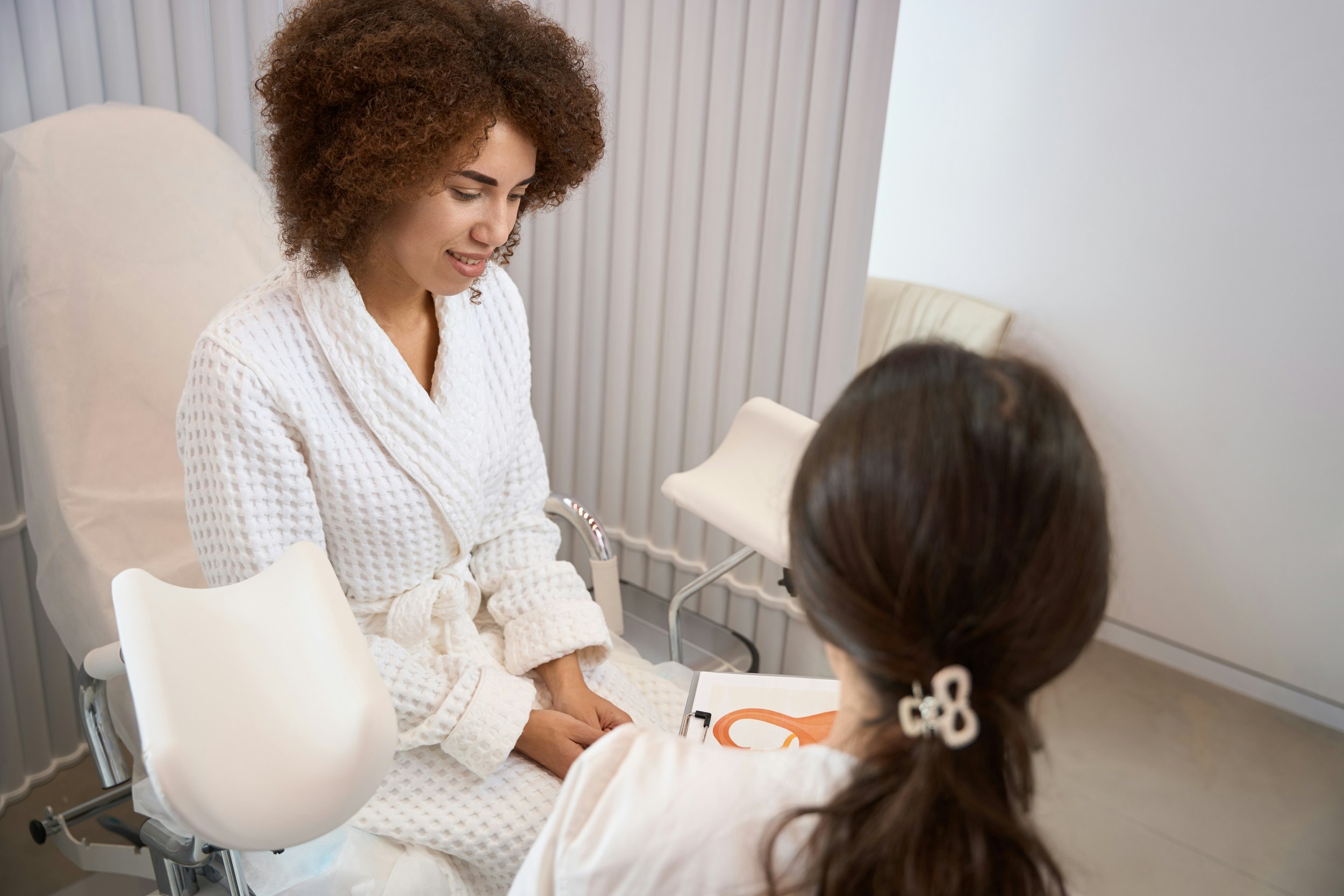
The Washington Post published an article outlining 5 Things Your OB/GYN Wants You to Know about Perimenopause. As I read through it, I found myself nodding along with most of the points. For once, there was mainstream attention being paid to a phase of women's health that is often overlooked, misunderstood, or dismissed entirely.
And then I got to the end.
What started as a solid overview of perimenopause took a hard turn into some of the same outdated narratives that have been confusing women for decades. So today, I want to walk through the article's five key points, discuss where I think it got things right, and explain where I believe it missed the mark.
Before we get there, though, I want to acknowledge something important.
The fact that the article focused on perimenopause rather than menopause is a WIN.
Because, despite the amount of attention menopause receives, menopause itself is actually one day. It's the day that marks one full year since your last menstrual period. The next day, you're officially post-menopausal.
Perimenopause, on the other hand, can last for years. And can begin in your 30s.
In fact, many of the health concerns we commonly associate with menopause don't suddenly appear the day a woman reaches that one-year milestone. Bone loss, sleep disruption, mood changes, joint pain, cognitive changes, metabolic shifts, and hormonal symptoms often begin years before menopause ever arrives.
These changes begin in perimenopause. And they can be devastating.
That's why I often argue that if society truly understood the value of proactively caring for women in their 30s and 40s, we could dramatically improve health outcomes in their 50s, 60s, and beyond.
And we'd save an incredible amount of money in the process.
The Cost of Ignoring Perimenopause
Let's briefly talk about what happens when women don't receive appropriate care during perimenopause.
The Mayo Clinic and RAND estimate that lost productivity associated with untreated perimenopausal symptoms costs the United States approximately $1.8 billion annually.
Dr. Rachel Rubin has estimated that Medicare could save roughly $34 billion per year simply by improving access to low-cost vaginal estrogen. Why? Because vaginal estrogen is remarkably effective at preventing recurrent urinary tract infections, which can become serious and even life-threatening in older women.
Hip fractures cost the United States approximately $30 billion every year. Women account for roughly 75% of these injuries. Systemic estradiol is FDA-approved to help prevent osteoporosis and bone loss, but timing matters. You can't effectively wait until age 65 to address bone health when significant loss may have been occurring for years.
Research has also shown that women using hormone replacement therapy often have lower overall healthcare costs than women who do not.
That shouldn't be surprising.
Women who are sleeping better, thinking more clearly, experiencing less pain, maintaining muscle mass, and staying physically active tend to require less medical intervention overall.
Of course, hormone therapy is not a substitute for healthy lifestyle habits. Appropriate nutrition, resistance training, cardiovascular exercise, sleep hygiene, stress management, and metabolic health still matter enormously. I talk about those constantly, so I won't repeat myself here.
Now, back to the article.

Point #1: Estrogen and Progesterone Are the Main Drivers
Absolutely.
The article explains how communication between the brain and ovaries begins to change during perimenopause. As ovarian function becomes less predictable, estrogen and progesterone levels begin fluctuating significantly.
This hormonal variability explains why symptoms can seem so inconsistent. A woman may feel completely normal one week, and suddenly experience fatigue, anxiety, poor sleep, or mood changes the next.
Understanding that these fluctuations are normal is incredibly important because many women start questioning themselves when symptoms appear sporadically.
You're not imagining it.
Your hormones are genuinely changing.
Point #2: Perimenopause Can Last Months or Years
Again, completely true.
Estimates vary widely, but some experts suggest perimenopause may begin up to 15 years before a woman's final period. The average duration appears to be closer to four years, but averages don't tell the whole story.
Some women begin experiencing symptoms in their late 30s.
Others don't notice significant changes until their mid-to-late 40s.
The article deserves credit for acknowledging that symptoms can start much earlier than many women expect.
This matters because countless women are told they're "too young" for perimenopause despite having classic symptoms.
The reality is that age alone should never be used to dismiss what a patient is experiencing.
Point #3: Symptoms Are Wide-Ranging
This is where I start having some concerns.
The article highlights hot flashes, night sweats, and menstrual changes as common signs of perimenopause.
While those symptoms absolutely occur, they are far from the whole story.
In fact, many women I see don't experience those hallmark symptoms initially. I routinely meet women who have multiple signs of perimenopause but dismiss the possibility because their periods remain perfectly regular.
The article also misses what many women report as their most disruptive symptom: fatigue.
According to data from The Menopause Society, approximately 83% of women report fatigue and mental exhaustion during the menopause transition.
Following closely behind are:
Irritability (80%)
Depressive mood (77%)
Sleep disturbances and insomnia (68% or higher)
I was tempted to make a joke here about being married to middle-aged men, but I'll resist.
The bigger takeaway is this: Every woman's experience is different. There is no required checklist of symptoms that you must complete before your concerns become valid.
You do not need hot flashes.
You do not need night sweats.
You do not need irregular periods.
Personally, I've never had a hot flash or a night sweat. What I did have was debilitating joint pain that made walking downstairs incredibly difficult.
Perimenopause doesn't look the same for everyone, and treatment decisions should reflect that reality.

Point #4: There Is No Specific Test for Perimenopause
This is another point where the article gets it mostly right.
There is no blood test that definitively diagnoses perimenopause.
Hormone levels fluctuate constantly during this transition. Estrogen levels can be high one day and low the next. Progesterone production becomes increasingly inconsistent.
This is exactly why relying on a single hormone test often creates more confusion than clarity.
If someone tells you that your hormone levels are "normal" based on one blood draw and therefore you cannot possibly be in perimenopause, that should raise some questions.
The article also discusses ruling out other causes of symptoms, which is certainly reasonable.
Checking thyroid function, iron levels, vitamin deficiencies, and other medical concerns can be important.
Where I disagree is when these evaluations become barriers to treatment.
A woman can have low iron and be experiencing perimenopause. A woman can have thyroid dysfunction and be experiencing perimenopause. These conditions are not mutually exclusive.
Too often, women are sent on months-long diagnostic journeys while obvious hormonal symptoms continue untreated.
Yes, evaluate thoroughly.
But don't let perfect become the enemy of helping the patient sitting in front of you. Start hormones, see what symptoms fall away, continue other testing in the meantime.
Point #5: The Right Treatment Can Be Life-Changing
Absolutely.
The article correctly states that treatment can dramatically improve quality of life and that symptom management should be individualized.
For women who can still become pregnant, contraception may still be necessary.
All reasonable points.
Then came the sentence that completely derailed me.
"Studies have linked hormone therapy with increased breast cancer risk and other health issues, which made many providers stop prescribing it."
No.
Just no.
I assume this statement is referring to the Women's Health Initiative studies published in the early 2000s.
Those studies generated enormous fear surrounding hormone replacement therapy and breast cancer risk. Unfortunately, much of the messaging that followed was incomplete, oversimplified, or outright inaccurate.
The resulting fear led to millions of women losing access to therapies that could have significantly improved their health and quality of life.
Over the past two decades, researchers have reanalyzed the data extensively. Our understanding of hormone therapy has evolved dramatically.
The FDA recently removed the boxed warning regarding breast cancer from certain estrogen products, reflecting a growing recognition that many of the fears surrounding estrogen therapy have been overstated or misunderstood.
Yet somehow, these outdated talking points continue to appear in major media publications.
It's frustrating because women deserve information that reflects the current evidence, not fears from 20 years ago.
Then there was one final line that really stood out.
The article highlighted a woman named Clark who eventually found a provider who prescribed treatment.
It stated: "Clark found one who believed she was going through perimenopause."
Believed her? What exactly are we doing here? Maybe it's simply poor wording. Or maybe it reflects a deeper problem that many women encounter in healthcare. A system where providers sometimes act as gatekeepers rather than partners.
The goal shouldn't be finding a physician who "believes" you. The goal should be finding a physician who listens to you.
Perimenopause is diagnosed based on symptoms, history, and shared decision-making. Patients should not feel as though they must convince someone that their lived experience is real.
The Bottom Line
Perimenopause is a real, significant, and often life-altering phase of a woman's life.
The choices women make during this time, whether related to nutrition, exercise, sleep, hormone therapy, or other treatments, can have profound effects on their health for decades to come.
Treatment should be discussed as soon as symptoms begin impacting quality of life.
Treatment decisions should be guided by symptoms and patient goals, not arbitrary laboratory numbers.
And perhaps most importantly, women should never feel dismissed, minimized, or forced to prove that what they're experiencing is real.
Advocate for yourself. Ask questions. Seek second opinions if necessary. And don't wait until menopause to start thinking about your long-term health. The conversation needs to begin much earlier.
Frequently Asked Questions
What is perimenopause?
Perimenopause is the transitional phase leading up to menopause, during which hormone levels begin to fluctuate. It can last several years and often starts in a woman's late 30s or 40s. Symptoms can occur long before menstrual periods stop completely.
How long does perimenopause last?
The average duration of perimenopause is about four years, but some women may experience symptoms for significantly longer. Estimates suggest it can begin up to 10–15 years before menopause.
What are the most common symptoms of perimenopause?
Common symptoms include fatigue, sleep disturbances, irritability, mood changes, anxiety, joint pain, brain fog, hot flashes, night sweats, vaginal dryness, and changes in menstrual cycles. Every woman's experience is different.
Can you have perimenopause with regular periods?
Yes. Many women experience significant perimenopausal symptoms while their periods remain regular. A predictable cycle does not rule out perimenopause.
Is there a blood test to diagnose perimenopause?
No. Hormone levels fluctuate significantly during perimenopause, making blood tests unreliable as a standalone diagnostic tool. Diagnosis is typically based on symptoms, age, medical history, and clinical judgment.
Does hormone replacement therapy increase breast cancer risk?
The relationship between hormone replacement therapy and breast cancer is more nuanced than many headlines suggest. Much of the fear surrounding HRT originated from interpretations of the Women's Health Initiative studies in the early 2000s. Current research and updated guidelines have led many experts to reevaluate those risks, particularly for appropriately selected patients.
When should I talk to my doctor about perimenopause?
You should talk to your healthcare provider as soon as symptoms begin affecting your quality of life. You do not need to wait for menopause or for symptoms to become severe before discussing treatment options.
Can lifestyle changes help during perimenopause?
Yes. Resistance training, adequate protein intake, cardiovascular exercise, stress management, quality sleep, and appropriate medical treatment can all play important roles in supporting health during perimenopause and beyond.

Weight loss medications have changed the landscape of health and weight management. GLP-1 medications are helping people lose weight, reduce inflammation, and, in many cases, decrease reliance on other medications. For many, they feel like a long-awaited solution.
But for many, this solution isn’t the full story. New research shows that 50-80% of people report gaining back between 25 and 60% of the lost weight within two years of stopping medication. What does that tell us? For many, supportive lifestyle pieces were likely missing.
Lasting success requires a plan. Many people are never taught the lifestyle strategies needed to preserve muscle, support metabolism, and nourish their body while appetite is suppressed. Muscle loss during weight loss is one of the biggest predictors of regain—and it can be prevented.
The GLP-1 Companion is about setting you up for long-term success. Together, we’ll focus on how to eat and move in a way that supports fat loss while protecting muscle, energy, and overall health. No gimmicks, no fads—just science-based guidance, common sense, and consistent support.
I’ll be with you every step of the way. We’ll tailor our calls to your goals, your body, and your lifestyle, so you leave this program confident in how to care for yourself both on and beyond your GLP-1 medication.
Program Details
Length
5 weeks
Meetings & Ongoing Support
Coaching Calls:
Five 60-minute one-on-one calls
Total Calls: 5 (5 total hours)
Email Support:
Weekly email support for questions and guidance throughout the program
Additional Support:
Additional consultation hours available at $175/hour
Areas of Focus
We’ll focus on the foundational habits that support sustainable weight loss and long-term metabolic health, including:
How weight loss occurs in the body
Fat loss vs. muscle loss—and why it matters
The role of movement and exercise while on GLP-1 medications
Protein, carbohydrates, and fats: how to balance them with reduced appetite
Practical strategies for managing decreased hunger cues while meeting nutritional needs
Investment
$1,075

We plan ahead to optimize outcomes—weddings, vacations, and job interviews. Why wouldn’t we plan to optimize our health before pregnancy? Don’t wait until you’re nauseous and exhausted to realize you need a strategy to eat better, sleep more, and stress less. Pregnancy can be an immense drain on the body, especially one that begins the journey stressed, undernourished, underslept, and exposed to a high level of environmental toxins.
Fertility Foundations is about controlling what we can control. Together, we’ll reduce lifestyle factors that may hold you back from feeling your best and do the work in advance so your body is prepared, resilient, and supported when pregnancy occurs.
This program is ideal for anyone on a fertility journey and is most effective if we have at least 3–6 months before you’d like conception to occur—but it’s also a powerful starting point if you’re earlier in the planning phase. Every change we make together supports your health, the health of your partner, and the health of your future child (and any children already in your home).
I’ll be with you every step of the way. We’ll identify the supports you need, tailor our calls to your priorities and unique situation, and adjust as life or plans shift. Entering pregnancy with a nourished, rested, and less inflamed body can make a meaningful difference in how you feel during pregnancy itself.
This program is not testing-dependent, though functional medicine testing can be added at standard rates if we decide it would be helpful. Testing is not included in the baseline program cost.
Program Details
Length
3.5 months
Meetings & Ongoing Support
Initial Setup Call:
One 60-minute onboarding sessionOngoing Calls:
Two calls per month for the first three months (45–60 minutes each)
One final call in month four (45–60 minutes)
Total Calls: 8
Email Support:
Weekly email support, as needed, for questions and ongoing guidance
Areas of Focus
We’ll focus on preparing your body—and your home—for pregnancy by improving nutrition and lifestyle factors that support fertility and a healthy conception or implantation. Topics may include:
Nutrition, optimized for fertility
Exercise
Stress management
Sleep
Environmental toxins
Supplements
Cycle regulation, if needed
Investment
$1,7000

Some of us may have a new friend in our lives. She’s… unpredictable. A bit chaotic. It doesn’t seem like she’s leaving anytime soon, and we need to figure out how to deal with her.
Meet Peri.
All jokes aside, perimenopause is often described as a time of hormonal chaos—and for many women, that’s exactly what it feels like. In today’s world of full-time jobs, aging parents, kids, school schedules, activities, and running a household, feeling “off” can sneak up on you. Perimenopause can begin 10 or more years before menopause, which is wildly inconvenient, considering these are often the years when women have the least amount of time to stop and figure out what the h*ll is going on.
Let me help.
Spend a little time with me each month, and together we’ll make sense of what’s happening in your body, reduce the overwhelm, and create a plan that actually fits your life.
If you’re in your 30s and suspect you’re just entering perimenopause, we’ll troubleshoot current symptoms, make sure the foundational lifestyle pieces are in place, and prepare you for what’s coming. If you’re in your 40s or 50s and right in the thick of it, we’ll evaluate what’s going on now, troubleshoot symptoms, refer out when appropriate, and focus on the strategies you need right now to feel better.
Areas of Focus
Our work together may include:
Understanding your current symptoms
Understanding the hormonal shifts occurring
Knowing what’s happening now and how things may change over time
Optimizing nutrition
Appropriate and effective exercise for this stage of life
Sleep hygiene
Hormone Replacement Therapy (HRT) education and discussion
Stress management strategies
How to minimize toxins
How to optimize supplements
This program is not testing-dependent. Functional Medicine testing can be added at standard rates if we decide it would be helpful. Testing is not included in the baseline program cost.
Program Details
Duration
3 months
Meetings & Support
Introductory Call:
One 60-minute onboarding sessionOngoing Calls:
Two calls per month for three months (45–60 minutes each)
Total Calls: 7
Email Support:
Weekly email support, as needed, for questions and ongoing guidance
Investment
$1,525
Would you rather do this with a friend? Check out the Add a Friend program instead!

This is the same Very Peri program—just designed for two people instead of one.
Do you have a friend who’s at the same stage of life? Move through the Very Peri coaching experience together and share the journey. You’ll receive the same education, guidance, and support as the one-person program, with the added benefit of a built-in accountability partner who truly gets it.
The topics, framework, and core content are exactly the same as the individual Very Peri program. The difference is that this option is structured to support two participants at once, with individual onboarding and expanded communication support for both people.
You’ll move through the same discussions, education, and practical guidance—together—while still receiving individualized support within the shared sessions.
How the Two-Person Program Works
Both participants attend all coaching calls together
You must be available at the same time (you may join from separate locations)
Coaching is tailored to each individual within the shared sessions
You’ll gain insight into your own perimenopause experience and learn through your friend’s perspective
What We’ll Cover
(Same as the One-Person Very Peri Program)
Understanding current symptoms
Understanding the hormonal process occurring
What’s happening now—and how things may change going forward
Optimizing nutrition
Appropriate and effective exercise for this stage of life
Sleep hygiene
Hormone Replacement Therapy (HRT) education and discussion
Stress management strategies
How to minimize toxins
How to optimize supplements
This program is not testing-dependent. Functional Medicine testing can be added at standard rates if we decide it would be helpful. Testing is not included in the base program cost.
Program Details
Duration
3 months
Meetings & Support
Introductory Calls:
Two 60-minute onboarding sessions (one per participant)Ongoing Calls:
Two shared calls per month for three months (45–60 minutes each)
Total Calls: 8
Email Support:
Up to two emails per week, as needed, for questions and ongoing support
(Emails may be submitted jointly or individually)
Investment
$2,000 total
($1,000 per person)