
How to Reduce Microplastic Exposure: The Simple Changes That Can Lower Plastic Chemicals in Your Body
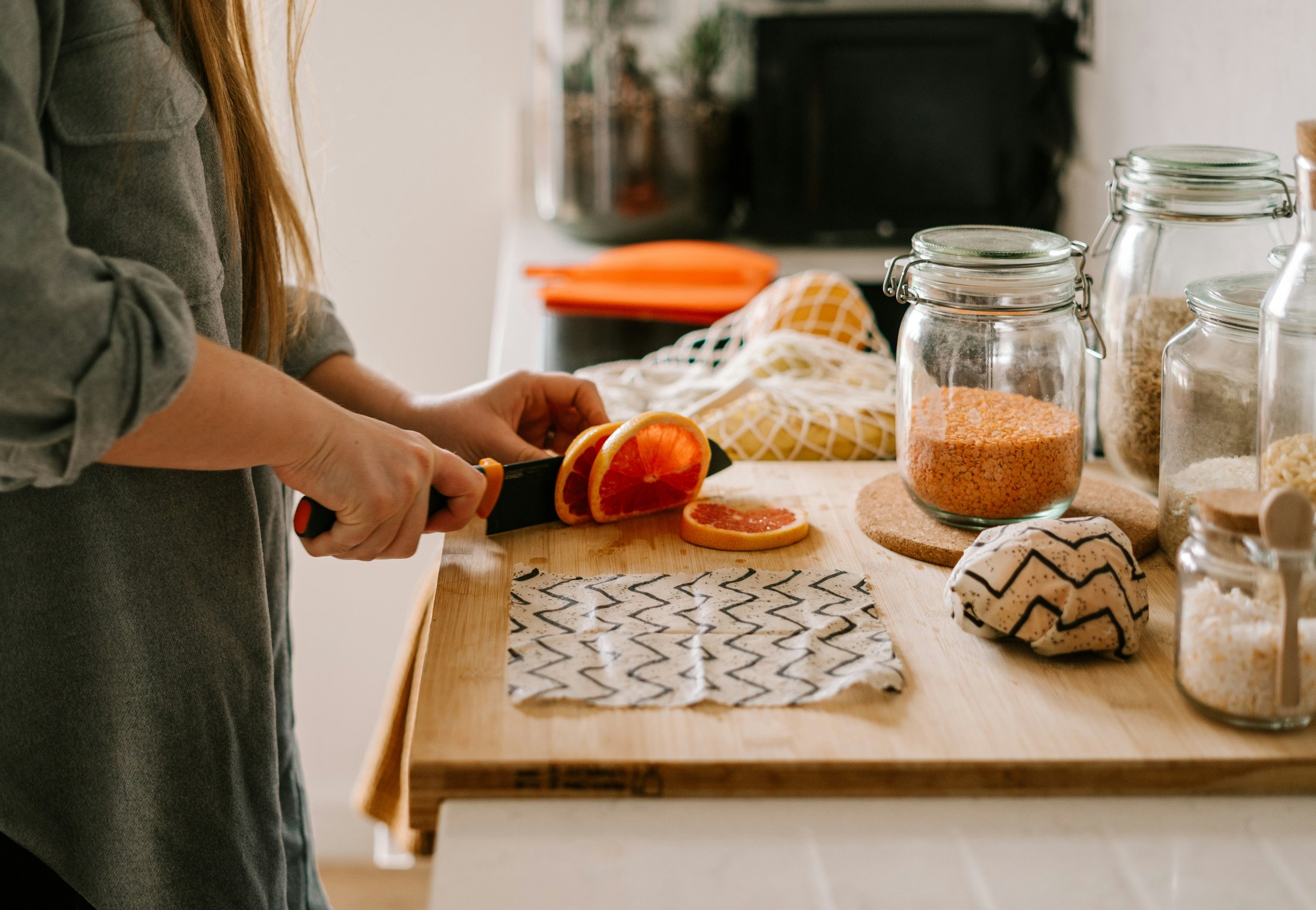
We all hear about microplastics, plastic exposure, endocrine disruptors, toxins, and the growing list of chemicals we're supposed to avoid.
And then we think: I don't have time to worry about this.
So we grab a bottle of water, toss a snack into our bag, and head out the door.
Honestly, I get it.
Trying to eliminate plastic from your life can feel impossible. Plastic is everywhere. It's in food packaging, personal care products, household items, and even things marketed as "healthy" or "natural."
But a recent study featured in the Washington Post may convince you that reducing plastic exposure is more worthwhile than you think.
Because what researchers found is actually pretty remarkable: participants saw measurable reductions in certain plastic-related chemicals in their bodies after just seven days.
Seven days.
Not months. Not years. One week.
Let's talk about what the study found and, more importantly, what practical steps you can take without completely turning your life upside down.
Why Microplastics and Endocrine Disruptors Matter
Before diving into the study, let's cover a few things I've learned over the past several years that completely changed how I think about environmental exposures.
Did you know that "unscented" is actually a scent?
I certainly didn't.
Many products labeled unscented contain chemicals designed to mask odors. If you're trying to avoid fragrance-related chemicals, what you actually want is "fragrance-free."
HUGE difference.
And here's another fact that tends to stop people in their tracks.
Research has shown that greater exposure to endocrine-disrupting chemicals before and during pregnancy is associated with poorer reproductive outcomes in male offspring, including lower sperm counts, altered reproductive development, and reduced fertility measures later in life.
Double WOW.
This isn't just about fertility challenges when someone is trying to conceive decades down the road. Researchers are finding that the environment a baby develops in during pregnancy may influence reproductive health long before that child is ever thinking about having children of their own.
Endocrine-disrupting chemicals, often called EDCs, are substances that can interfere with the body's hormone systems. Hormones act as the body's chemical messengers, directing everything from metabolism and mood to reproductive development and fertility. During pregnancy, these hormonal signals are especially important because they help guide the development of the baby's reproductive system.
Many plastics contain compounds that fall into this category, including BPA, phthalates, and other plasticizers that can leach into food, beverages, food packaging, and personal care products. Studies have linked higher exposure to some of these chemicals with changes in sperm production, reproductive organ development, testosterone levels, and other markers of male fertility.
Now, to be clear, fertility is incredibly complex. No one is claiming that using a plastic water bottle today guarantees fertility problems tomorrow. But when researchers consistently find associations between higher chemical exposures and poorer reproductive outcomes, it's worth paying attention.
What's particularly concerning is that exposure doesn't just happen through obvious sources like plastic containers. These chemicals can be found in scented products, food packaging, canned foods, personal care products, household cleaners, and even everyday items we rarely think twice about. That's one reason why fertility experts and environmental health researchers have become increasingly interested in reducing unnecessary exposure wherever practical.
The encouraging news? Unlike some risk factors that are difficult to change, reducing exposure to endocrine-disrupting chemicals often comes down to simple, everyday decisions. Choosing fragrance-free products, minimizing plastic food packaging, avoiding heating food in plastic containers, and selecting lower-plastic personal care products can all help reduce the overall chemical burden on the body.
When it comes to protecting fertility and supporting long-term reproductive health, small changes made consistently may matter more than we realize.
The challenge is that avoiding them completely feels overwhelming. Plastic is in everything. Everything is packaged in something. Everything seems scented.
At some point it feels easier to throw up your hands and decide that nothing matters anyway.
But this recent study suggests otherwise.
A Seven-Day Study Produced Measurable Results
Researchers conducted a study where participants were fed food specifically sourced to minimize plastic contamination throughout the production process.
That meant reducing plastic exposure during growing, processing, shipping, packaging, and storage whenever possible.
Participants followed this diet for just seven days.
At the end of the week, researchers found significant reductions in specific endocrine-disrupting chemicals that are commonly associated with plastic exposure.
Think about that for a second.
Within a single week, the body responded measurably when exposure was reduced.
That's encouraging news because it suggests that even small changes may have meaningful effects over time.
So what can we learn from this?
Reduce Plastic Food Packaging Whenever Possible
The biggest takeaway from the study was simple:
Reduce the amount of plastic that comes into contact with your food.
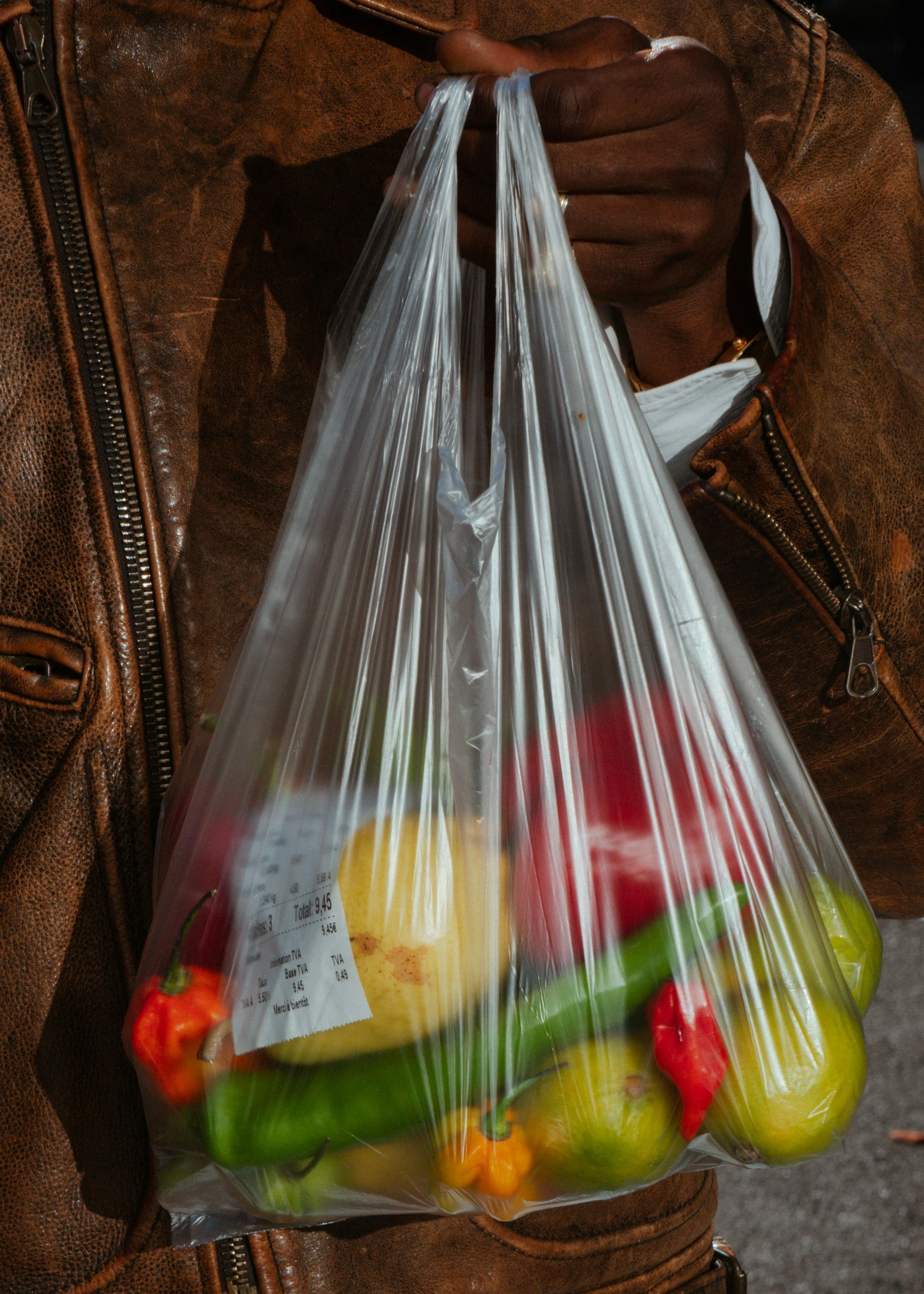
Yes, that means those shrink-wrapped bell peppers.
Yes, that means the pre-bagged apples.
Yes, that means some grocery stores become significantly harder to shop at.
Stores that package nearly every piece of produce in plastic aren't doing us any favors here.
When possible, choose loose fruits and vegetables and bring your own reusable cotton produce bags.
And if you can't avoid plastic packaging completely?
At least move produce out of plastic bags and containers as soon as you get home.
No one is suggesting perfection.
The goal is simply reducing exposure where it's practical.
Cut Back on Canned Foods
Many people assume that BPA-free canned foods are completely safe from plastic-related concerns.
Unfortunately, it's not that simple.
Most cans still require some type of interior lining, and many BPA replacements have raised concerns of their own.
Does this mean you need to eliminate canned foods forever?
Absolutely not.
Health is about the big picture.
If you're already reducing plastic exposure in other areas, a can of beans or tomatoes here and there is probably not the thing that tips the scales.
But if the majority of your meals come from cans, it may be worth looking for opportunities to swap in fresh or frozen alternatives when possible.
Eat Fewer Highly Processed Packaged Foods
This recommendation probably won't surprise anyone.
The more food that comes from bags, boxes, wrappers, pouches, and plastic containers, the greater your overall exposure tends to be.
And let's be honest: plastic exposure is probably not the biggest health concern with heavily processed foods.
These foods are often linked to a variety of health issues completely unrelated to plastics.
Choosing more whole foods naturally reduces both plastic exposure and many other health risks at the same time.
It's one of those rare situations where one change creates multiple benefits.
Personal Care Products Matter Too
The study didn't stop with food.
Researchers also looked at participants who switched to personal care products with less plastic exposure.
This included products such as tampons, shampoo, toothpaste, and other everyday essentials.
The result?
Researchers again found measurable reductions in plastic-related chemicals.
That should get our attention. Because many of us spend a lot of time thinking about what goes into our bodies but very little time thinking about what goes onto our bodies.
Please Upgrade Your Menstrual Products
Let me make a personal plea.
No one should still be using conventional tampons filled with synthetic materials if they have better options available.
For the love of Madonna, please consider upgrading your menstrual care products.
Organic cotton tampons.
Menstrual cups.
Reusable menstrual discs.
Organic pads.
Whatever option works best for you.
Menstrual products are used repeatedly over decades. Small improvements here can add up over time.
Look for Plastic-Free Personal Care Products
The good news is that plastic-free alternatives are becoming much easier to find.
Today you can purchase:
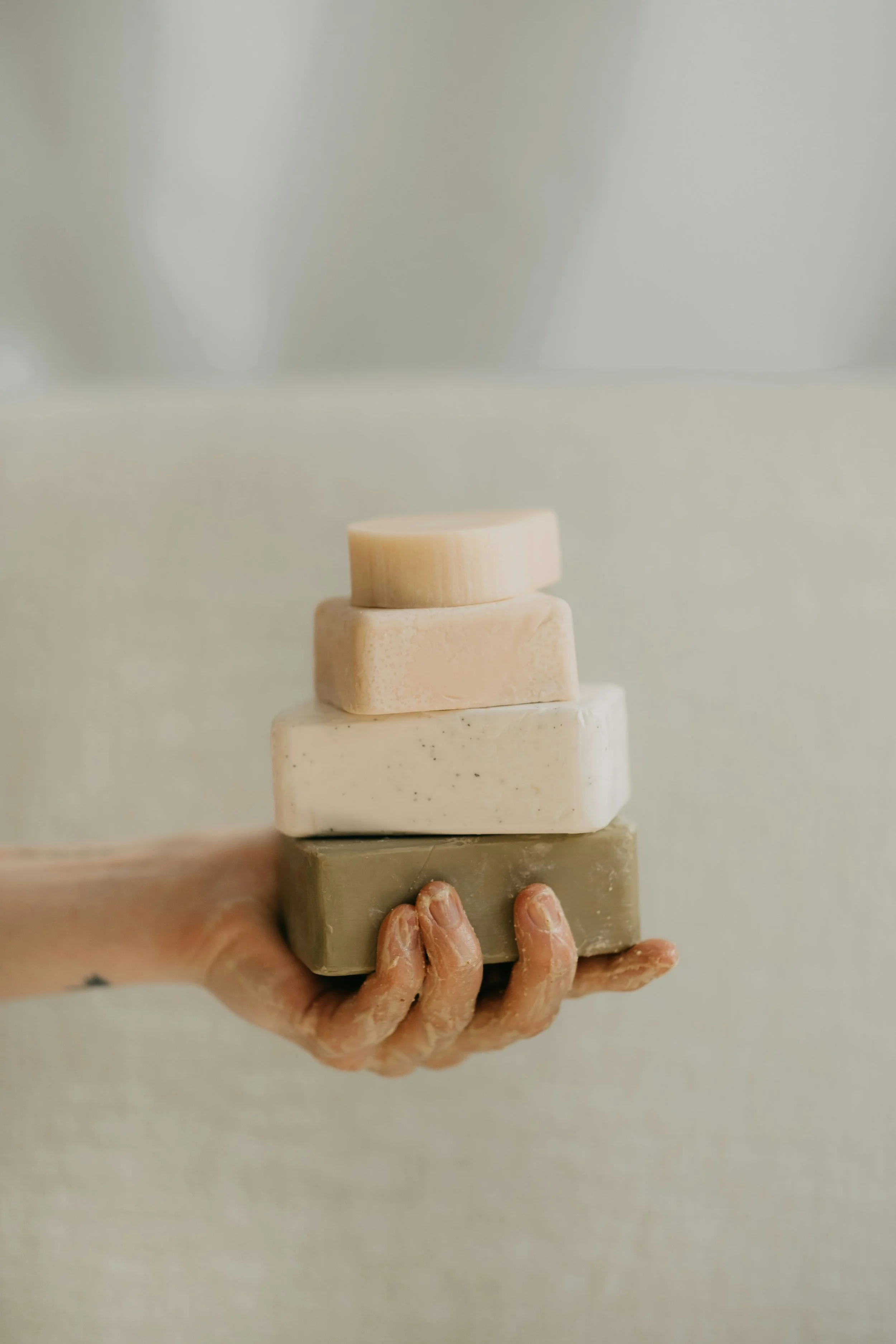
Bar shampoo
Bar conditioner
Bar body lotion
Plastic-free deodorant
Toothpaste tablets
Bamboo toothbrushes
Refillable skincare products
Companies such as Humble and others now offer toothpaste tablets packaged in cardboard instead of plastic tubes.
Many grocery stores carry at least some of these products.
And while you're shopping, remember: Look for fragrance-free. Not unscented. Fragrance-free.
My Daily Coffee Shop Rant
Now let me climb onto my soapbox for a moment.
Please.
For the love of Shakira.
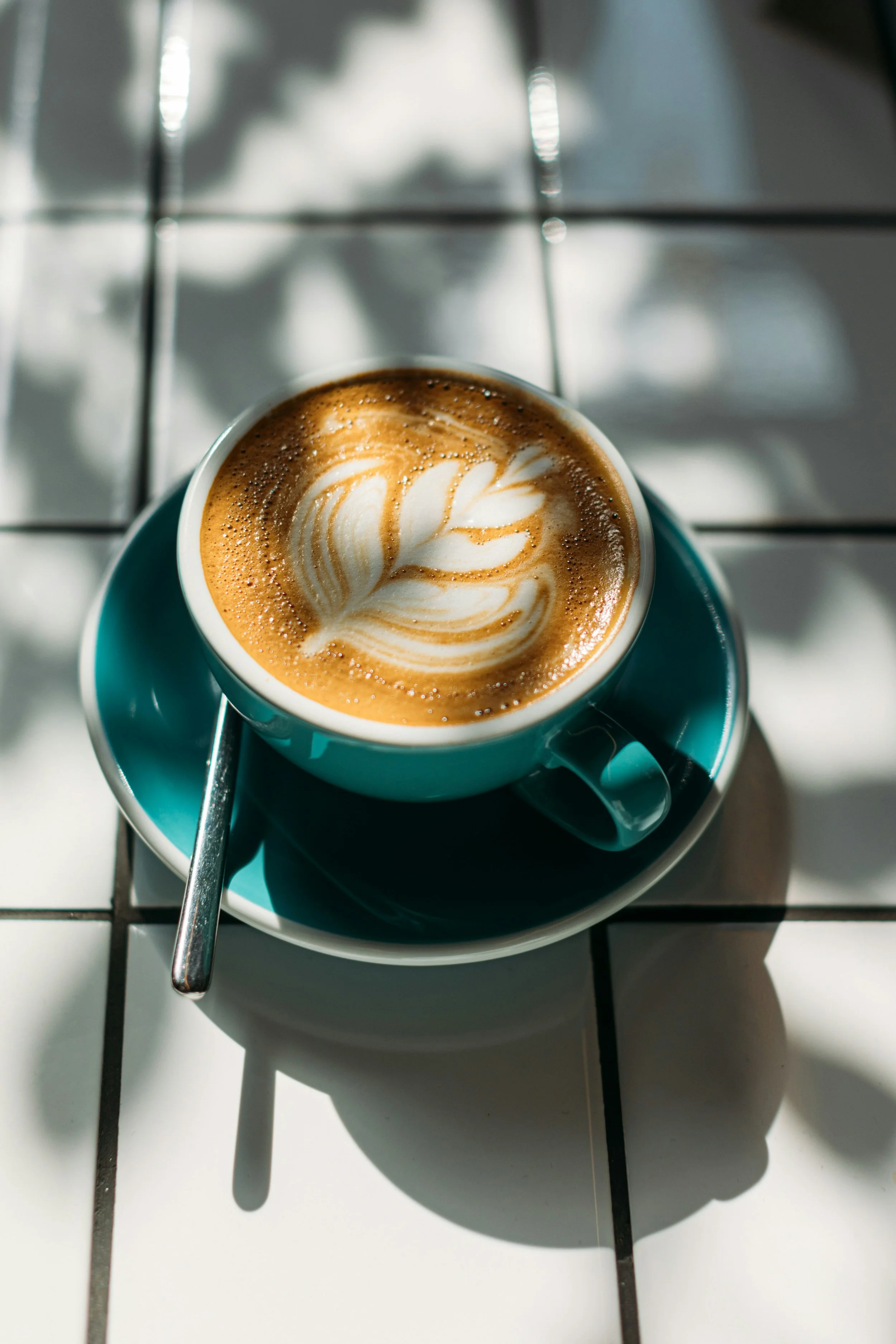
Stop ordering hot coffee in disposable to-go cups if you're not bringing your own mug.
Most disposable coffee cups contain plastic linings.
When hot liquid sits against those plastic linings, chemicals can migrate into the beverage almost instantaneously.
In other words, you're paying six dollars for coffee and getting a side of plastic soup.
Not exactly the artisanal experience most people are looking for.
Instead:
Bring a stainless steel mug.
Bring a ceramic travel mug.
Bring a glass travel mug.
Or, if you forgot your reusable cup, consider ordering cold brew.
Cold beverages generally extract fewer chemicals from packaging materials than hot beverages do.
Progress Beats Perfection
If you're reading this and feeling overwhelmed, don't.
The goal is not to become the world's most perfect plastic-free human.
The goal is simply to reduce exposure where it makes sense.
Maybe that means buying loose produce. Maybe it means switching to fragrance-free products. Maybe it means bringing your own coffee mug. Maybe it means replacing one personal care item each month with a lower-plastic alternative.
These changes don't have to happen overnight.
The encouraging takeaway from this study is that the body appears to respond relatively quickly when exposure decreases.
That's good news. It means your efforts matter.
Plastic-Free Shopping Resources
If you're looking for lower-plastic alternatives for your home and personal care products, these companies focus specifically on reducing plastic packaging:
Many of these companies use plastic-free shipping materials, recyclable packaging, compostable packaging, or refill systems designed to dramatically reduce household plastic waste.
You don't have to buy everything from specialty retailers, but they can be helpful places to discover alternatives you may not find locally.
Final Thoughts
For years, discussions about microplastics and endocrine disruptors have felt frustrating because the problem seemed too large to solve.
Plastic is everywhere. Avoiding it completely is unrealistic.
But this study offers something refreshing: evidence that even short-term reductions in exposure can make a measurable difference. That's not a call for perfection. It's a reminder that small choices add up.
Choose loose produce when you can.
Move food out of plastic packaging when you get home.
Look for fragrance-free products.
Upgrade your menstrual care products.
Bring your own coffee mug.
And remember that reducing plastic exposure isn't about fear.
It's about giving your body fewer things to deal with and making small improvements where they're practical. That's a goal most of us can get behind.
Frequently Asked Questions
What are endocrine-disrupting chemicals?
Endocrine-disrupting chemicals are substances that can interfere with the body's hormonal system. Common examples include BPA, phthalates, and certain fragrance chemicals that may be found in plastics, food packaging, and personal care products.
Can microplastics leave the body?
Researchers are still studying exactly how microplastics behave in the human body. However, studies suggest that reducing exposure can lower measurable levels of certain plastic-related chemicals relatively quickly.
Is BPA-free packaging actually safer?
BPA-free products remove BPA specifically, but they often use alternative compounds that may have similar hormone-disrupting properties. BPA-free is generally an improvement, but it does not necessarily mean chemical-free.
What's the easiest way to reduce plastic exposure?
Start with food. Buy loose produce when possible, transfer food out of plastic containers at home, reduce highly processed packaged foods, and avoid heating food in plastic containers.
Why should I choose fragrance-free instead of unscented?
Unscented products often contain masking fragrances designed to hide odors. Fragrance-free products generally contain fewer scent-related chemicals and are a better option for people trying to reduce exposure to potential endocrine disruptors.
Are disposable coffee cups really lined with plastic?
Most disposable paper coffee cups contain a thin plastic lining that helps prevent leaks. Hot liquids can increase the migration of chemicals from the lining into the beverage, which is why reusable mugs are often recommended.
Do organic cotton tampons make a difference?
Organic cotton tampons eliminate many synthetic materials, fragrances, and chemical treatments found in conventional products. While research is ongoing, many people choose them as a way to reduce unnecessary chemical exposure.
Do I need to eliminate all plastic from my life?
No. The goal is not perfection. Most experts recommend focusing on practical changes that significantly reduce exposure while still being sustainable for your lifestyle.
Weight loss medications have changed the landscape of health and weight management. GLP-1 medications are helping people lose weight, reduce inflammation, and, in many cases, decrease reliance on other medications. For many, they feel like a long-awaited solution.
But for many, this solution isn’t the full story. New research shows that 50-80% of people report gaining back between 25 and 60% of the lost weight within two years of stopping medication. What does that tell us? For many, supportive lifestyle pieces were likely missing.
Lasting success requires a plan. Many people are never taught the lifestyle strategies needed to preserve muscle, support metabolism, and nourish their body while appetite is suppressed. Muscle loss during weight loss is one of the biggest predictors of regain—and it can be prevented.
The GLP-1 Companion is about setting you up for long-term success. Together, we’ll focus on how to eat and move in a way that supports fat loss while protecting muscle, energy, and overall health. No gimmicks, no fads—just science-based guidance, common sense, and consistent support.
I’ll be with you every step of the way. We’ll tailor our calls to your goals, your body, and your lifestyle, so you leave this program confident in how to care for yourself both on and beyond your GLP-1 medication.
Program Details
Length
5 weeks
Meetings & Ongoing Support
Coaching Calls:
Five 60-minute one-on-one calls
Total Calls: 5 (5 total hours)
Email Support:
Weekly email support for questions and guidance throughout the program
Additional Support:
Additional consultation hours available at $175/hour
Areas of Focus
We’ll focus on the foundational habits that support sustainable weight loss and long-term metabolic health, including:
How weight loss occurs in the body
Fat loss vs. muscle loss—and why it matters
The role of movement and exercise while on GLP-1 medications
Protein, carbohydrates, and fats: how to balance them with reduced appetite
Practical strategies for managing decreased hunger cues while meeting nutritional needs
Investment
$1,075
We plan ahead to optimize outcomes—weddings, vacations, and job interviews. Why wouldn’t we plan to optimize our health before pregnancy? Don’t wait until you’re nauseous and exhausted to realize you need a strategy to eat better, sleep more, and stress less. Pregnancy can be an immense drain on the body, especially one that begins the journey stressed, undernourished, underslept, and exposed to a high level of environmental toxins.
Fertility Foundations is about controlling what we can control. Together, we’ll reduce lifestyle factors that may hold you back from feeling your best and do the work in advance so your body is prepared, resilient, and supported when pregnancy occurs.
This program is ideal for anyone on a fertility journey and is most effective if we have at least 3–6 months before you’d like conception to occur—but it’s also a powerful starting point if you’re earlier in the planning phase. Every change we make together supports your health, the health of your partner, and the health of your future child (and any children already in your home).
I’ll be with you every step of the way. We’ll identify the supports you need, tailor our calls to your priorities and unique situation, and adjust as life or plans shift. Entering pregnancy with a nourished, rested, and less inflamed body can make a meaningful difference in how you feel during pregnancy itself.
This program is not testing-dependent, though functional medicine testing can be added at standard rates if we decide it would be helpful. Testing is not included in the baseline program cost.
Program Details
Length
3.5 months
Meetings & Ongoing Support
Initial Setup Call:
One 60-minute onboarding sessionOngoing Calls:
Two calls per month for the first three months (45–60 minutes each)
One final call in month four (45–60 minutes)
Total Calls: 8
Email Support:
Weekly email support, as needed, for questions and ongoing guidance
Areas of Focus
We’ll focus on preparing your body—and your home—for pregnancy by improving nutrition and lifestyle factors that support fertility and a healthy conception or implantation. Topics may include:
Nutrition, optimized for fertility
Exercise
Stress management
Sleep
Environmental toxins
Supplements
Cycle regulation, if needed
Investment
$1,7000
Some of us may have a new friend in our lives. She’s… unpredictable. A bit chaotic. It doesn’t seem like she’s leaving anytime soon, and we need to figure out how to deal with her.
Meet Peri.
All jokes aside, perimenopause is often described as a time of hormonal chaos—and for many women, that’s exactly what it feels like. In today’s world of full-time jobs, aging parents, kids, school schedules, activities, and running a household, feeling “off” can sneak up on you. Perimenopause can begin 10 or more years before menopause, which is wildly inconvenient, considering these are often the years when women have the least amount of time to stop and figure out what the h*ll is going on.
Let me help.
Spend a little time with me each month, and together we’ll make sense of what’s happening in your body, reduce the overwhelm, and create a plan that actually fits your life.
If you’re in your 30s and suspect you’re just entering perimenopause, we’ll troubleshoot current symptoms, make sure the foundational lifestyle pieces are in place, and prepare you for what’s coming. If you’re in your 40s or 50s and right in the thick of it, we’ll evaluate what’s going on now, troubleshoot symptoms, refer out when appropriate, and focus on the strategies you need right now to feel better.
Areas of Focus
Our work together may include:
Understanding your current symptoms
Understanding the hormonal shifts occurring
Knowing what’s happening now and how things may change over time
Optimizing nutrition
Appropriate and effective exercise for this stage of life
Sleep hygiene
Hormone Replacement Therapy (HRT) education and discussion
Stress management strategies
How to minimize toxins
How to optimize supplements
This program is not testing-dependent. Functional Medicine testing can be added at standard rates if we decide it would be helpful. Testing is not included in the baseline program cost.
Program Details
Duration
3 months
Meetings & Support
Introductory Call:
One 60-minute onboarding sessionOngoing Calls:
Two calls per month for three months (45–60 minutes each)
Total Calls: 7
Email Support:
Weekly email support, as needed, for questions and ongoing guidance
Investment
$1,525
Would you rather do this with a friend? Check out the Add a Friend program instead!
This is the same Very Peri program—just designed for two people instead of one.
Do you have a friend who’s at the same stage of life? Move through the Very Peri coaching experience together and share the journey. You’ll receive the same education, guidance, and support as the one-person program, with the added benefit of a built-in accountability partner who truly gets it.
The topics, framework, and core content are exactly the same as the individual Very Peri program. The difference is that this option is structured to support two participants at once, with individual onboarding and expanded communication support for both people.
You’ll move through the same discussions, education, and practical guidance—together—while still receiving individualized support within the shared sessions.
How the Two-Person Program Works
Both participants attend all coaching calls together
You must be available at the same time (you may join from separate locations)
Coaching is tailored to each individual within the shared sessions
You’ll gain insight into your own perimenopause experience and learn through your friend’s perspective
What We’ll Cover
(Same as the One-Person Very Peri Program)
Understanding current symptoms
Understanding the hormonal process occurring
What’s happening now—and how things may change going forward
Optimizing nutrition
Appropriate and effective exercise for this stage of life
Sleep hygiene
Hormone Replacement Therapy (HRT) education and discussion
Stress management strategies
How to minimize toxins
How to optimize supplements
This program is not testing-dependent. Functional Medicine testing can be added at standard rates if we decide it would be helpful. Testing is not included in the base program cost.
Program Details
Duration
3 months
Meetings & Support
Introductory Calls:
Two 60-minute onboarding sessions (one per participant)Ongoing Calls:
Two shared calls per month for three months (45–60 minutes each)
Total Calls: 8
Email Support:
Up to two emails per week, as needed, for questions and ongoing support
(Emails may be submitted jointly or individually)
Investment
$2,000 total
($1,000 per person)